
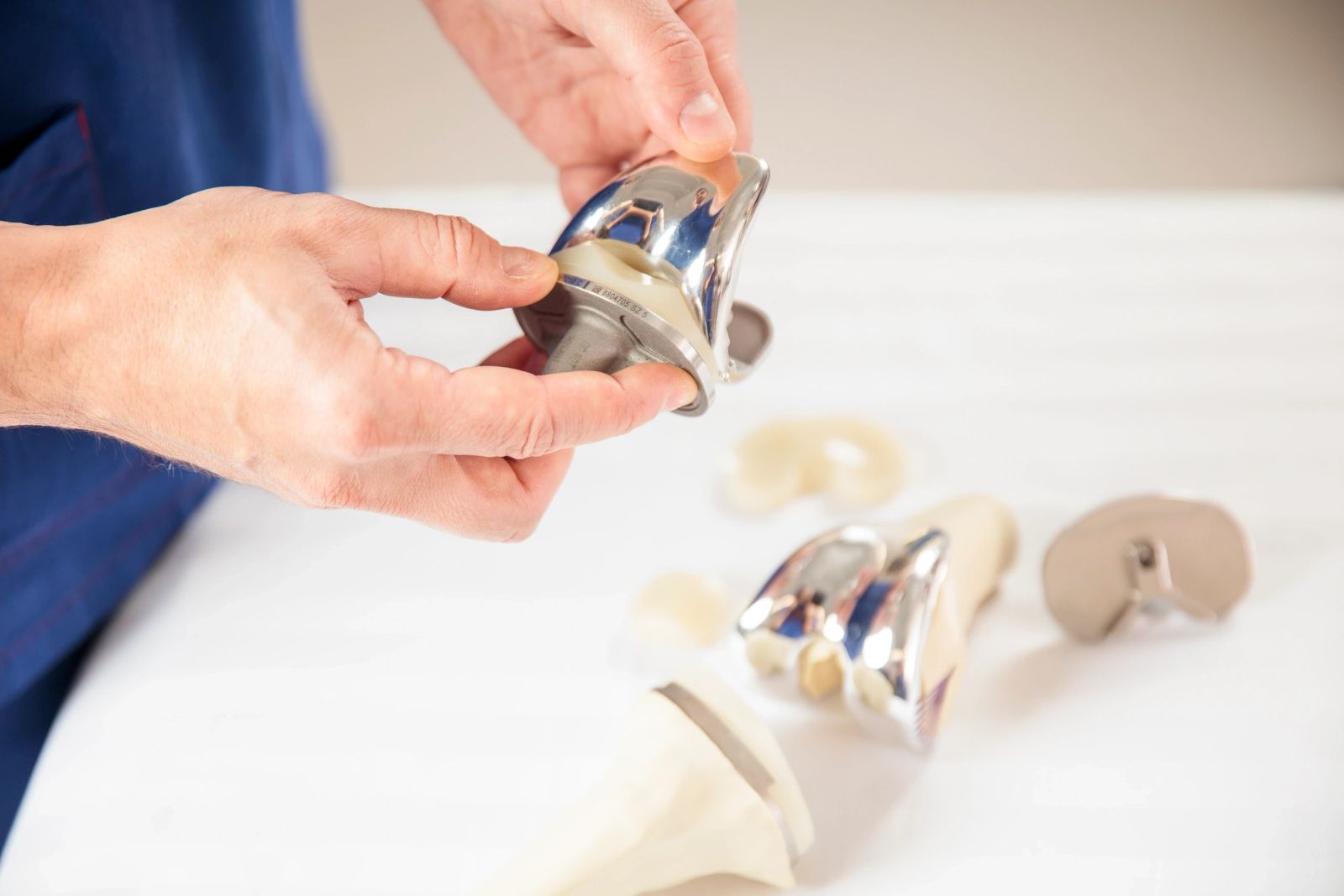
If you are exploring the path toward a knee replacement, you have likely come across the term "alignment." It is one of the most frequently discussed topics in joint surgery because it dictates how your new knee will move, feel, and stand up to daily wear. For decades, the standard approach was to give every patient a perfectly straight leg, but modern medical science has shifted toward a much more personalised view of joint replacement
When preparing for surgery, it helps to understand how surgeons approach your anatomy. Your natural joint line has its own unique tilt and shape. During the procedure, the goal is to resurface the worn areas of bone and position the new implant so that your leg handles your body weight smoothly. To do this, a surgeon must balance the physical shape of the bone with the tension of your natural ligaments. If the bone cuts do not match the surrounding soft tissues, the knee can feel tight, stiff, or unnatural during recovery.
Many patients wonder how much a severe deformity—like being heavily bow-legged or knock-kneed—can actually be corrected. Structurally, a surgeon can straighten almost any angle. However, pushing a severe deformity back into a perfectly straight line is not always the safest choice. Forcing too much correction can over-stretch natural nerves and blood vessels, or leave the ligaments on one side of your knee completely unstable.
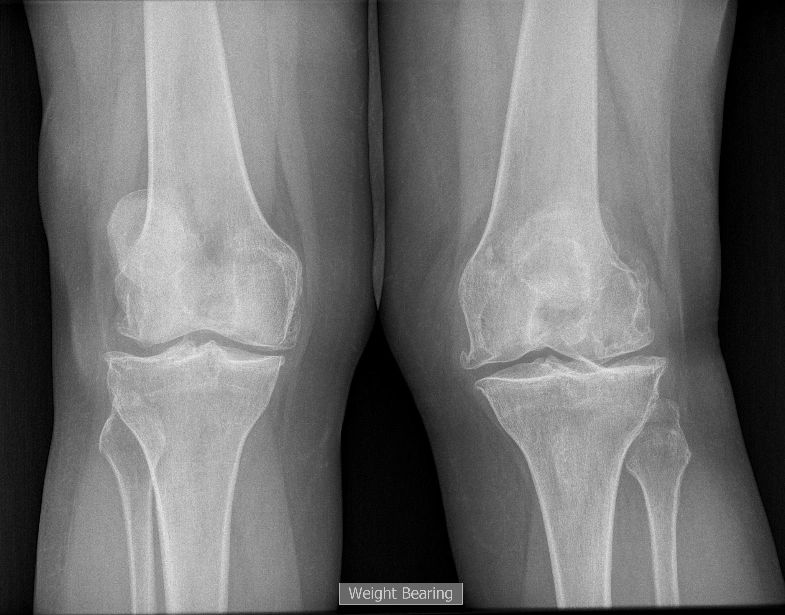
Because of this, modern techniques often lean toward keeping corrections within what scientists call a "safe zone". Published clinical research, including a key study in The Journal of Arthroplasty, highlights that trying to force a strict, universal alignment model on every patient does not automatically guarantee a better result. Instead, one current theory is that protecting a patient's natural anatomy may lead to a more flexible, faster recovery, although this has not been established for every patient.
This shift in thinking has created a few different options for your post-operative target. While some cases still benefit from traditional mechanical alignment—which aims for a perfectly straight zero-degree axis—many surgeons now use a method called kinematic alignment. This technique replicates your individual, pre-arthritic anatomy. By mimicking the natural blueprint of your original knee rather than forcing a generic standard, the joint tends to feel more natural. According to a comprehensive review in Cureus, patients who receive this personalized alignment often report higher satisfaction scores and an improved overall range of motion.

Ultimately, the best alignment path is not a one-size-fits-all formula. It is a decision tailored to your specific bone structure, lifestyle goals, and joint health.
If you are currently mapping out your journey toward a knee replacement it is highly beneficial to discuss these custom structural strategies with your specialist. To help guide your upcoming treatment plan.
This article provides general information only and should not be considered individual medical advice. Treatment decisions should be made following a thorough assessment and discussion with your treating orthopaedic surgeon. It is not possible to determine the most appropriate procedure without considering your individual symptoms, examination findings and imaging.


