

Total Hip Replacement – Brisbane & Hamilton
This page provides general information for patients of Dr Borshch, an orthopaedic surgeon consulting in Hamilton, Brisbane, who are being assessed for or considering total hip replacement surgery. If hip arthritis is limiting your walking, sleep or daily activities despite non-surgical treatment, an assessment with a hip surgeon in Brisbane can clarify whether replacement is the right next step.
Your individual condition and treatment plan may be different, so this information should be used alongside advice from your surgeon and treating team.
What is a Total Hip Replacement?
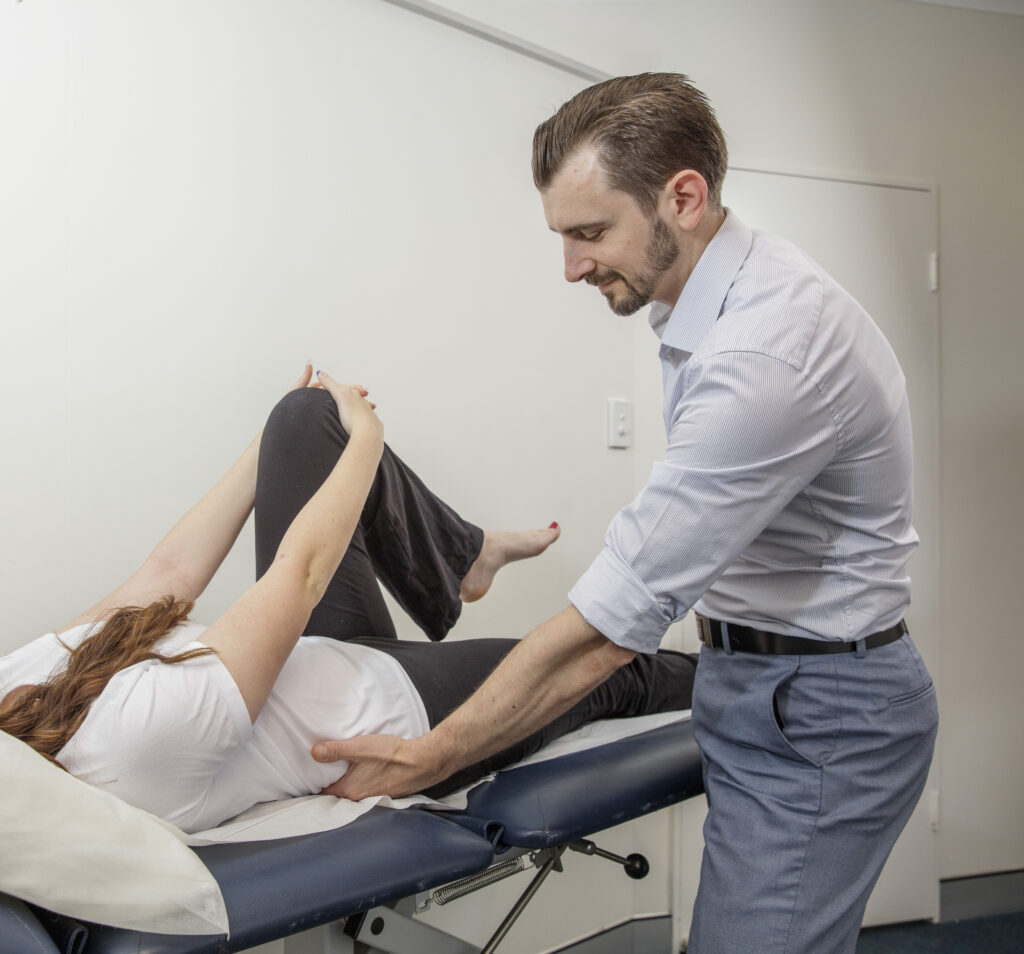
The damaged ball and socket of the hip are replaced with artificial joint surfaces.
The hip is a ball-and-socket joint. The ball (femoral head) sits at the top of the thigh bone and moves within a socket (acetabulum) in the pelvis. Both surfaces are normally covered with smooth cartilage.
A total hip replacement, also called total hip arthroplasty (THA), replaces both damaged joint surfaces. It is one of the most commonly performed operations in orthopaedics, and is done to relieve pain and improve function in people with advanced arthritis of the hip, most often osteoarthritis (PMID 30496081). Because of its very good long-term results, it has been described as “the operation of the century” (PMID 17964352).
The replacement usually consists of:
- a metal socket fixed into the pelvis
- a durable plastic or ceramic liner
- a metal stem inserted into the femur (thigh bone)
- a ceramic or metal ball attached to the stem
The aim is to create a stable, low-friction joint that reduces pain and allows more comfortable movement.
What materials are used?
Modern hip replacements commonly use combinations of titanium or other metal alloys, ceramic and highly cross-linked polyethylene (a very wear-resistant plastic). There is no single bearing material that is ideal for every patient.
A network meta-analysis of 64 randomised trials found that bearings using highly cross-linked polyethylene or ceramic liners had comparable implant survival and hip function at 5 and 10 years (PMID 36265721).
Implant selection considers factors such as:
- age
- bone quality
- anatomy
- activity
- implant fixation
- individual surgical requirements
Why is Total Hip Replacement Surgery Done?
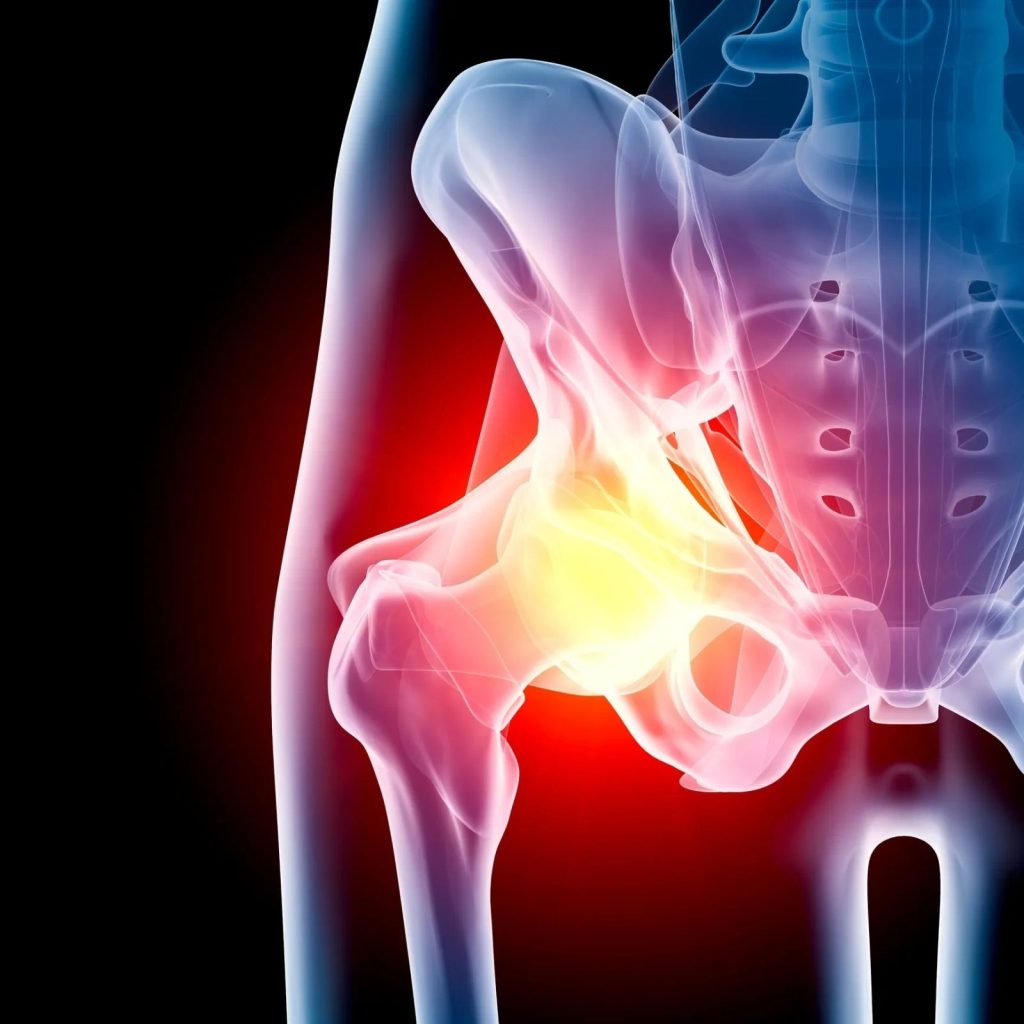
Surgery is considered when hip arthritis significantly affects quality of life.
The most common reason for hip replacement is osteoarthritis, where cartilage progressively wears away and the joint becomes painful and stiff.
Symptoms can include:
- groin, thigh or buttock pain
- difficulty walking
- pain at night
- difficulty putting on shoes and socks
- stiffness getting into cars or low chairs
- reduced ability to work, exercise or perform everyday activities
Not everyone with hip arthritis needs surgery. Treatment can include exercise, activity modification, weight management where appropriate, medications, walking aids and sometimes injections.
Hip replacement is generally considered when symptoms are significant and appropriate non-operative treatment is no longer providing adequate relief. An evidence-based review of indications for total hip replacement similarly emphasised advanced arthritis on X-ray, substantial symptoms from the hip and failure of appropriate non-surgical treatment, and recommended that the decision is made together by the patient and surgeon when the expected benefit outweighs the risks (PMID 34693905).
A thorough clinical examination by a specialist and modern imaging help confirm the diagnosis. The decision should therefore be based on your symptoms, examination, X-rays, general health and goals, not simply how an X-ray looks.
How is Total Hip Replacement Surgery Performed?
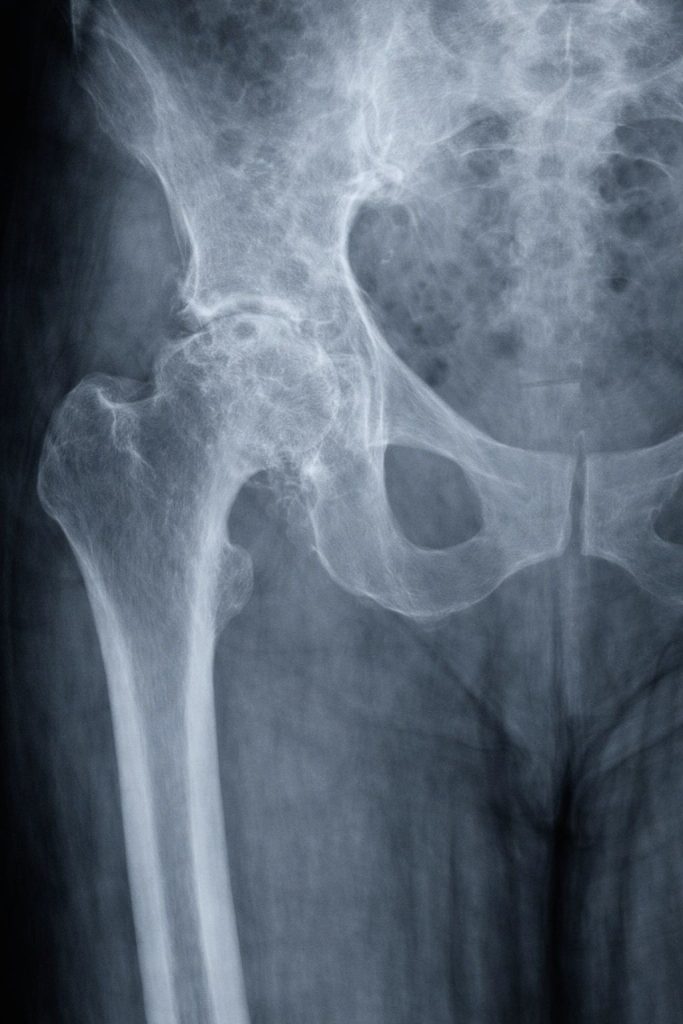
The arthritic surfaces are replaced while restoring hip stability and leg function.
Anaesthetic
A spinal or general anaesthetic may be used, together with additional pain relief around the hip.
Accessing the hip
There are several established approaches to hip replacement.
I use the Direct Anterior Approach (DAA) for most suitable primary hip replacements. This accesses the hip from the front through an interval between muscles, without routinely detaching the major muscles and tendons around the hip.
However, not every patient is suitable for DAA. Previous surgery, anatomy, deformity, body shape, bone loss and the complexity of the replacement may make another approach more appropriate.
A systematic review of randomised trials comparing the anterior and posterior approaches found less pain in the first days and better hip function at 6 weeks with DAA, but no significant difference in function from 3 months onwards or in complication rates (PMID 32487060).
The priority is therefore performing the hip replacement safely and accurately, rather than using a particular approach at all costs.
Replacing the socket
The damaged femoral head is removed and the arthritic socket is prepared.
A metal acetabular component is inserted into the pelvis, usually using a press-fit technique. A durable liner is placed inside it.
Replacing the femoral head
The femur is prepared and a metal stem is inserted.
A ceramic or metal ball is attached to the stem and placed into the new socket.
The hip is then checked for stability, movement, implant position and leg length.
What are the benefits of a total hip replacement?
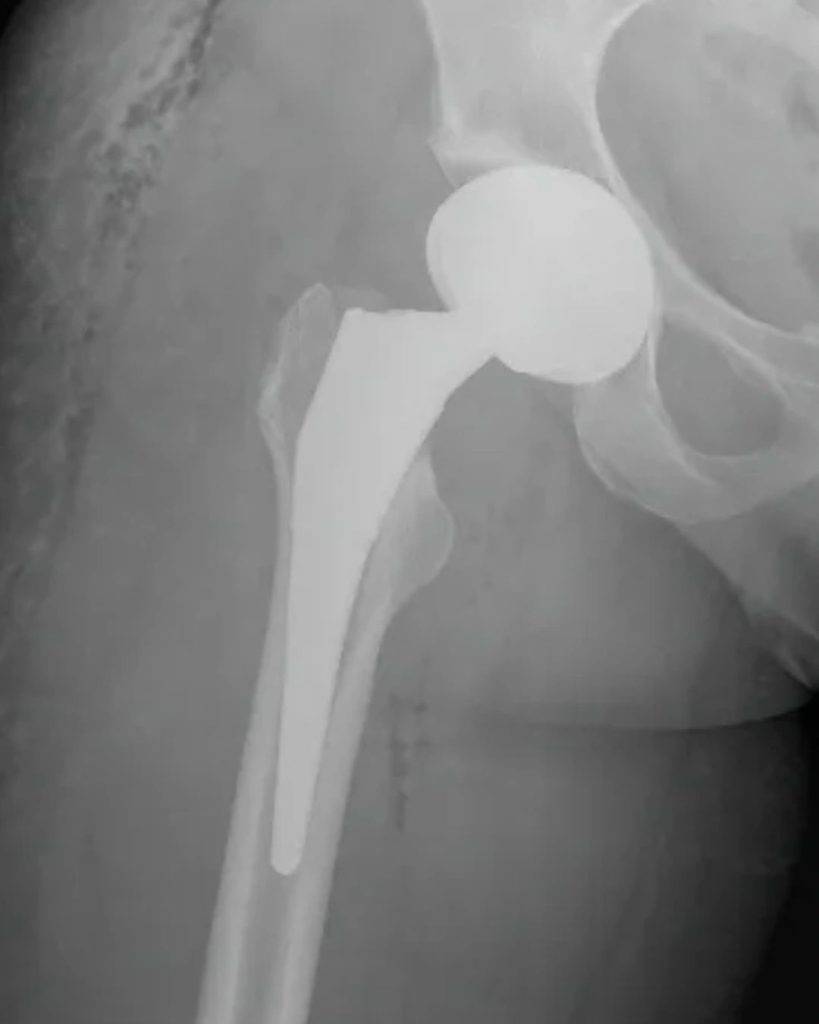
For appropriately selected patients, hip replacement reduces pain, improves function and lasts for many years.
Total hip replacement reduces pain and improves function in people with advanced hip arthritis. In a randomised trial of people aged 50 or older with severe hip osteoarthritis, the Oxford Hip Score (a 48-point score of hip pain and function) improved by 15.9 points at 6 months after hip replacement, compared with 4.5 points after a programme of resistance training (PMID 39476341).
The improvement lasts. A systematic review found marked improvements in pain, physical function and quality of life that were maintained for up to 7 years after surgery, with favourable patient satisfaction (PMID 24389057).
Modern hip replacements are durable. Pooled national joint replacement registry data from Australia and Finland show that 57.9% of hip replacements were still working without revision 25 years after surgery, and long-term case series reported 77.6% (PMID 30782340).
Most people return to the activities they enjoy. A systematic review found that 85% of patients returned to sport, rising to 97% for low-intensity sports, and 70% returned to work, on average about 11 weeks after surgery (PMID 37549241).
What are the risks of a total hip replacement?

Hip replacement is major surgery. Most patients do well, but complications can happen and not every hip feels normal afterwards.
A hip replacement does not relieve pain for everyone. In the best-quality studies, 9% or more of people reported an unfavourable long-term pain outcome after hip replacement (PMID 22357571).
Like any major operation, hip replacement carries a risk of complications. Infection of the joint replacement is uncommon but serious and usually needs further surgery; in an Australian study linking hospital and national joint registry data, it occurred within 90 days in 1.1% to 1.5% of hip replacements, depending on how infection was defined (PMID 36047015). Despite preventive treatment, 0.53% of people developed a symptomatic blood clot in the leg or lungs before leaving hospital (PMID 22253396).
The ball can come out of the socket (dislocation). A review of 5,030,293 hip replacements found an overall dislocation risk of 1.7%, falling to 0.7% in studies from 2010 to 2020 (PMID 36357707). The anterior approach does not remove this risk: a meta-analysis found no difference in dislocation rates between the direct anterior and posterior approaches (PMID 33315648).
The bone around the implant can break, usually after a fall. In UK registry data, the chance of needing surgery for this within 10 years of a hip replacement was 1%, and the risk was higher in people over 70 (PMID 39352892). Over time, the components can also loosen or wear and need a revision hip replacement; in the registry data above, 42.1% of hip replacements had been revised by 25 years (PMID 30782340).
The leg can feel longer after surgery. The surgeon aims to restore appropriate leg length while also achieving a stable hip, and a perceived difference does not always mean the bones are different lengths. In a study of patients whose measured difference was less than 1 cm, 32% felt a difference at 3 weeks, 11% at 3 months and 7% at 1 year (PMID 33502598).
Return to high-intensity sport is less predictable: in the review above, 56% of patients returned to high-intensity sports (PMID 37549241). Death after hip replacement is rare; in 409,096 hip replacements in England and Wales, 90-day mortality fell from 0.56% in 2003 to 0.29% in 2011 (PMID 24075049).
Other possible problems include stiffness, wound problems, numbness of the skin near the incision and injury to nearby nerves or blood vessels. There are also risks from the anaesthetic, which your anaesthetist will discuss with you.
This is why it is important for us to discuss the reason for surgery beforehand, optimise your health before surgery and establish realistic expectations about recovery and long-term outcomes. The warning signs to look out for after surgery are listed below.
Preparing for Hip Replacement Surgery
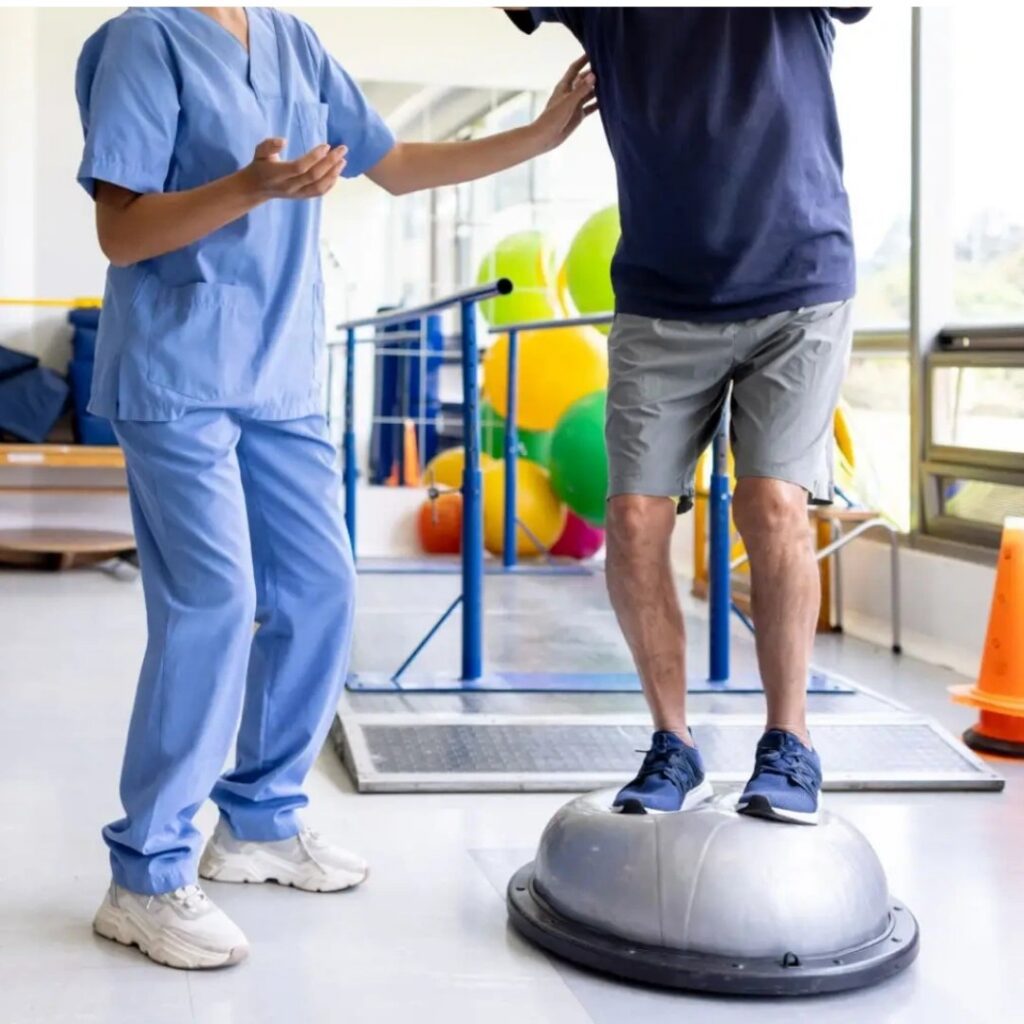
Improving your health and preparing your home can make early recovery easier.
Good preparation lowers risk and helps recovery.
Health optimisation (very important)
- Stop smoking/vaping if possible (smoking increases wound and infection risks).
- If you have diabetes, aim for good blood sugar control.
- Work on fitness and weight where possible—stronger muscles and better general health usually mean smoother recovery.
- Tell the team about any history of blood clots, sleep apnoea, heart/lung disease, or immune-suppressing medications.
Prehab (exercise before surgery)
Staying active and strengthening the muscles around the hip before surgery can make early rehabilitation easier. You do not need to make an arthritic hip pain-free before surgery. The aim is to arrive at surgery as mobile, strong and medically healthy as reasonably possible.
Home preparation
- Arrange help for the first 1–2 weeks (meals, shopping, transport).
- Make your home safer: remove loose rugs, organise a stable chair, consider railings, and set up a bed/bathroom plan.
- Prepare ice packs and clear, comfortable walking paths.
Medications
Your team will advise what to stop or continue (for example, some blood thinners, anti-inflammatories, or supplements). Always check before changing anything.
Because Brisbane has a warm and humid climate, particularly during summer, consider having access to a cool, comfortable and preferably air-conditioned environment during recovery. A large meta-analysis found that surgery during the warmest period of the year was associated with a higher risk of surgical-site infection (PMID 34422523). This does not prove that air conditioning prevents infection, but keeping yourself comfortable and your dressing clean and dry is sensible during Brisbane's warmer months.
What Should I Expect After Hip Replacement?

Walking starts early, while strength and confidence continue improving for months.
In hospital (often 1–3 days, sometimes next-day discharge)
- Pain control using a multimodal plan (several types of pain relief together).
- Early walking and exercises with the help of an inpatient physiotherapist, and learning the hip precautions that help keep the new joint from popping out.
- A blood clot prevention plan (medication and movement), guided by your risk factors.
First 2–6 weeks
- You will have your first review back in the office (usually with the nurse). This is mainly to check that the incision is healing well, make sure your pain is controlled and address any other concerns.
- Your walking improves steadily, usually with a walker/crutches early, then a stick, then independently.
- Swelling and bruising are common.
- You’ll do regular exercises to regain movement and strength with the help of an outpatient physiotherapist. The main aim is to restore a normal gait.
- Driving is usually not safe until 6 weeks post surgery or when leg strength is close to normal.
6 weeks to 3 months
- You will have your first review in the office with me. This is mainly to check your gait and resolution of symptoms.
- Most people notice major improvements in daily activities.
- Strength and endurance continue to build.
- Some swelling can still be normal.
3 to 12 months
- Ongoing improvement in strength, balance, confidence and cosmetic appearance of the incision.
- Some people continue to notice gains up to a year (or longer).
Hip precautions
- During surgery the ball and socket are placed separately and then put together towards the end of the operation. This means that they can separate again (dislocate) in the short term while the scar tissue is forming and sometimes long term if the joint is placed into a “dangerous” position.
- For a Direct Anterior Approach hip replacement, the “dangerous” position to avoid is usually one where the leg is turned outward, knees apart and leg towards the back.
- For a Posterior Approach hip replacement the “dangerous” position to avoid is usually one where the leg is turned inward, knee too close to the chest and knee crossed over the other leg.
- Hip precautions are ideally practiced for the first 3 months after surgery, but any “extremes” of range of motion or positions of the hip should be avoided life-long.
Things to Look Out for After Hip Replacement

Increasing pain, wound problems or sudden changes in function should be assessed.
Contact our office, your GP, or go to hospital urgently if you notice:
Possible infection
- increasing redness, warmth, or swelling around the wound
- worsening pain after initial improvement
- pus or bad-smelling discharge
- fevers or feeling very unwell
Joint replacement infection is uncommon but potentially serious and should be assessed promptly.
Blood clot warning signs
- new calf pain or tenderness, increasing swelling in one leg
- sudden shortness of breath, chest pain, coughing blood (call emergency services)
Dislocation symptoms (uncommon)
- sudden severe hip pain
- inability to move the leg normally
- leg appearing shortened or rotated
This requires urgent assessment.
Wound problems
- leaking through dressings
- opening wound edges
- rapidly increasing bruising or swelling
Nerve or circulation concerns (rare)
- worsening numbness or weakness in the leg or foot
- cold or pale foot
- severe escalating pain
Summary
Total hip replacement is an effective operation for advanced hip arthritis that has not responded to non-surgical treatment. It is usually recommended when the expected benefits outweigh the risks for that person. Please discuss your symptoms, your goals (for example walking, work or sport) and your X-rays with your hip surgeon so that the options, including continued non-surgical care, are considered together.
General information only. The information on this page is general in nature and does not replace individual medical advice. All surgery carries risks, and results vary between patients. Please discuss your own circumstances with your treating practitioner.
Total Hip Replacement

Dr Alexey Borshch is a specialist orthopaedic surgeon in Brisbane with a particular clinical focus on surgery of the hip, knee and lower limb.
His practice as a Brisbane orthopaedic surgeon focuses on the assessment and treatment of hip arthritis, along with performing hip replacement and revision hip replacement surgery.
Dr. Borshch completed his medical degree at the University of Queensland before undertaking specialist orthopaedic training in Queensland. He completed the Australian Orthopaedic Association training program and the Royal Australasian College of Surgeons Fellowship Examination in Orthopaedic Surgery. He obtained specialist registration in Orthopaedic Surgery in 2022 and is a Fellow of the Australian Orthopaedic Association.
Dr. Borshch offers consultations in Hamilton, Brisbane, and performs private orthopaedic surgery at Brisbane Private Hospital.