

Dr Alexey Borshch is a Brisbane foot and ankle surgeon and specialist orthopaedic surgeon. He consults at Queensland Surgery Centre in Hamilton and operates at Brisbane Private Hospital, assessing and treating ankle and foot injuries, foot and ankle pain, and arthritis. He holds FAOrthA, MBBS and BSc (Hons), is a Fellow of the Australian Orthopaedic Association, and completed the Royal Australasian College of Surgeons Fellowship Examination in Orthopaedic Surgery.
Each consultation starts with a careful assessment and a discussion of the suitable options, including non-surgical treatment. Where surgery is appropriate, his practice includes ankle stabilisation, ankle fracture surgery and foot fracture surgery, ankle arthroscopy, Achilles tendon surgery, and surgery for bunions, toe deformities and foot and ankle arthritis.
When should you see a foot and ankle surgeon?
A foot and ankle surgeon assesses persistent pain, instability, injuries and deformities of the foot and ankle, and advises on both surgical and non-surgical treatment.
Many foot and ankle problems settle with time, a short period of protection, physiotherapy, footwear changes and simple measures arranged through your GP. Specialist assessment may be worth considering when:
- your ankle keeps rolling or giving way months after a sprain
- pain, swelling or stiffness has not improved despite appropriate non-surgical treatment
- you have an ankle or foot fracture, especially one that has moved out of position
- you have injured your Achilles tendon, or Achilles pain is limiting walking or sport
- a bunion, toe deformity or forefoot pain makes walking or finding comfortable shoes difficult
- arthritis in the ankle or foot limits walking, sleep, work or the activities you value.
Seeing a foot and ankle surgeon does not mean you will need surgery. The aim of the first consultation is a clear diagnosis and a frank discussion of your options, which often include continuing or adjusting non-surgical treatment. If surgery is appropriate, you will have time to understand the proposed procedure, its risks and alternatives, and the recovery involved before you decide. A referral from your GP or another specialist is needed for a specialist consultation and for Medicare rebates.
Foot and ankle conditions and treatment options

Foot and Ankle Assessment
Foot and ankle pain can come from ligaments, tendons, cartilage, bone or nerves, and sometimes from the back or knee. Your assessment brings together your symptoms, an examination of how you stand and walk, and relevant imaging such as weight-bearing X-rays, ultrasound or MRI. An abnormal scan alone does not determine whether surgery is appropriate.

An individual approach to foot and ankle care
A consultation does not necessarily lead to surgery. Depending on your diagnosis, treatment may include education, activity modification, footwear advice, orthotics, a brace or boot, physiotherapy, strength and balance training, weight management where appropriate, medication or selected injections.
If surgery is being considered, Dr Borshch will discuss the proposed procedure, alternatives, important risks, expected recovery and limitations. Recovery from foot and ankle surgery often involves a period in a boot or cast, limited weight-bearing and rehabilitation, and it varies between patients and procedures.
Dr Borshch completed his medical degree at the University of Queensland and specialist orthopaedic training in Queensland, obtaining specialist registration in orthopaedic surgery in 2022.
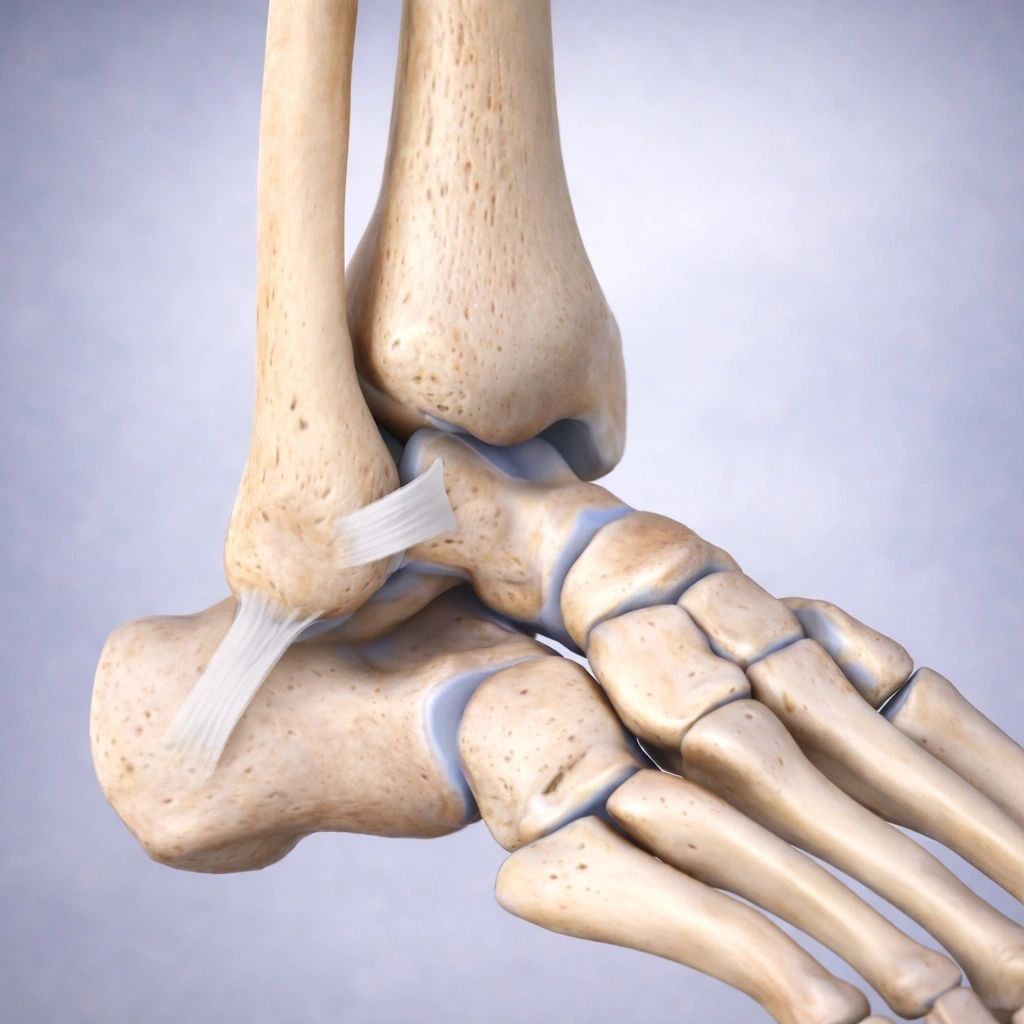
Ankle sprains and chronic ankle instability
Most ankle sprains heal well with rehabilitation. In some people the outer ankle ligaments heal stretched, and the ankle keeps rolling or feels unstable. Balance and strengthening exercises are usually tried first. If instability continues, a ligament repair (often a Broström-type repair) or a reconstruction may be considered, sometimes with an arthroscopy to check the joint at the same time.
Read about ankle stabilisation surgery.
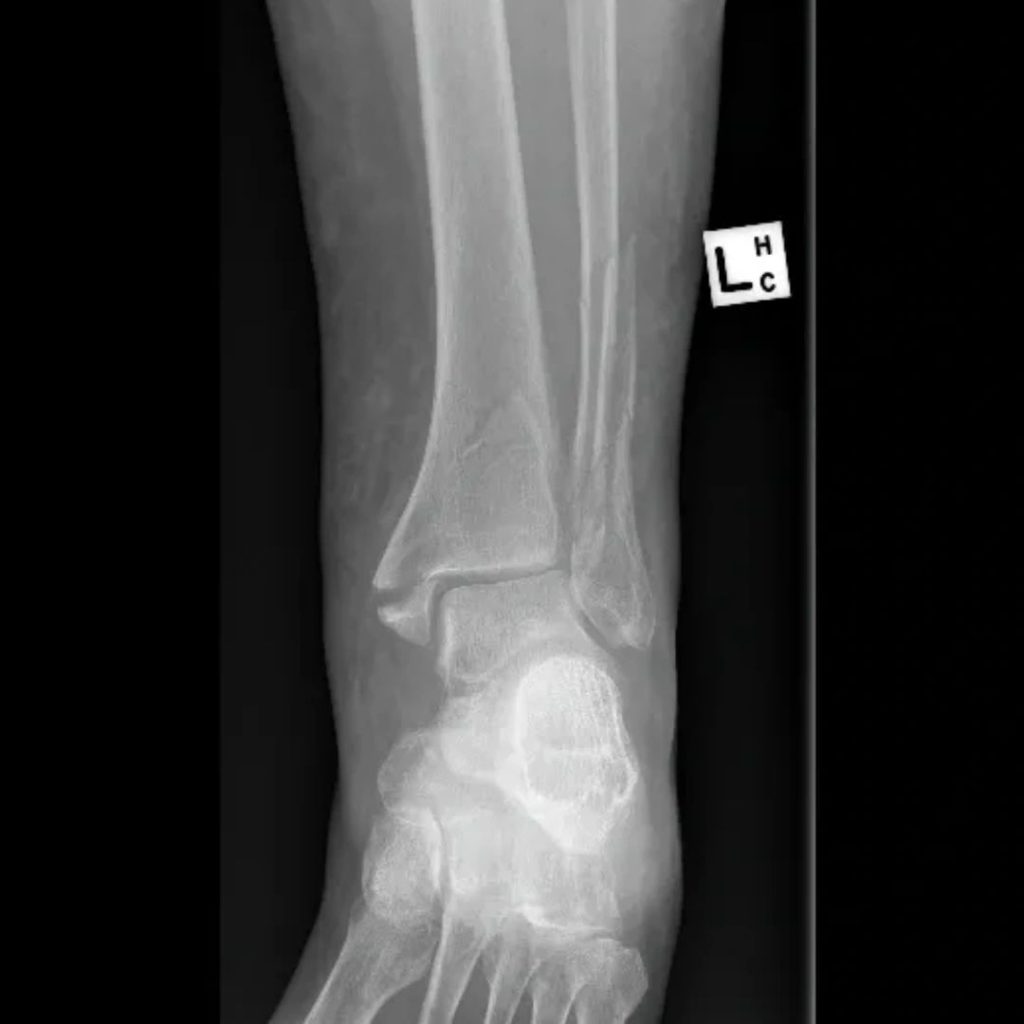
Ankle and foot fractures
Stable ankle fractures that stay in a good position can often be treated in a cast or boot. Fractures that are displaced or unstable, or that involve the syndesmosis (the ligaments joining the two leg bones above the ankle), may need surgery to restore the joint. In the foot, many metatarsal fractures heal in a boot, while displaced midfoot (Lisfranc) injuries and some heel bone (calcaneus) fractures may need surgery.
Read about ankle fracture surgery and fracture surgery in Brisbane.
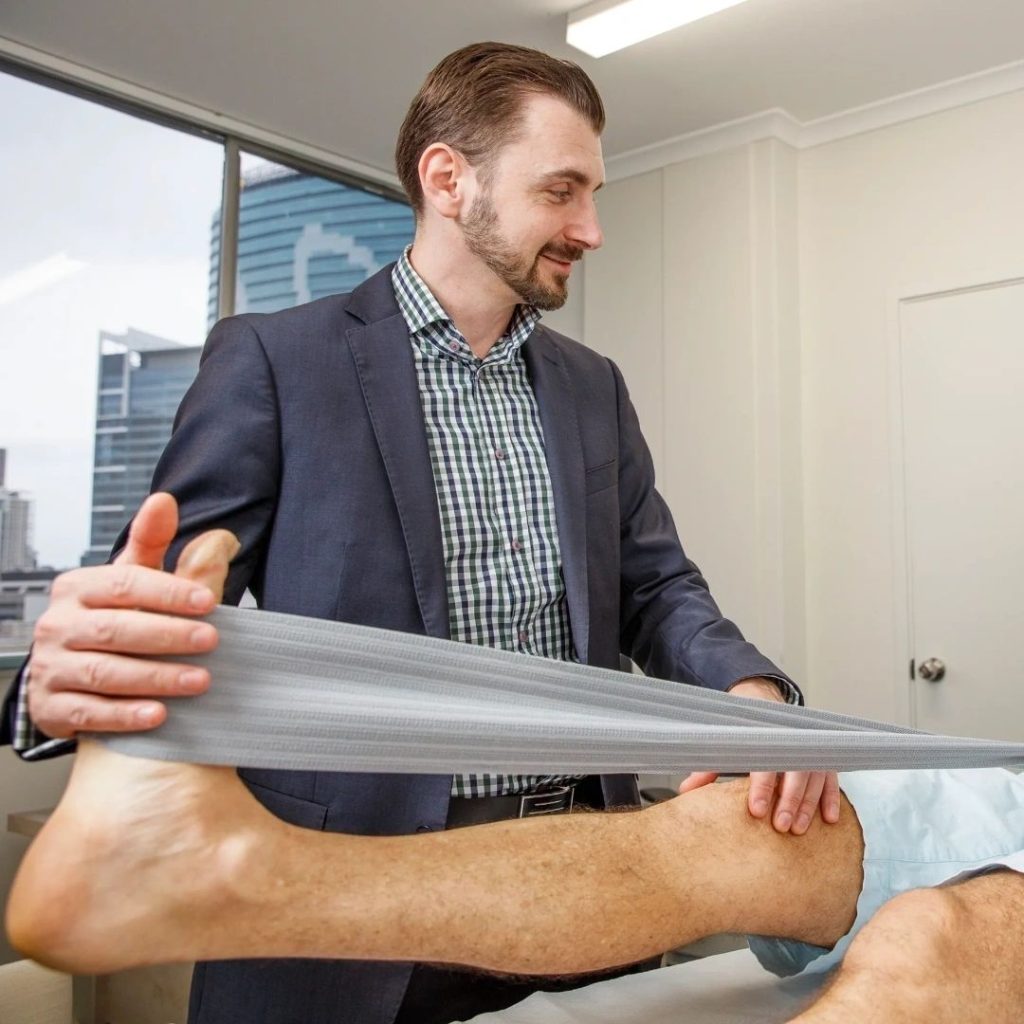
Achilles tendon problems
Achilles tendinopathy (pain and thickening of the tendon) is usually treated with a structured exercise program that gradually loads the tendon, together with activity and footwear changes. Surgery is considered only when symptoms persist despite a thorough period of treatment.
An Achilles tendon rupture can be treated in a boot with a carefully staged rehabilitation program, or with surgical repair. The choice depends on the injury, how soon treatment starts, your general health and your activities. Both approaches involve several months of rehabilitation.

Ankle arthroscopy, cartilage injuries and arthritis
Ankle arthroscopy (keyhole surgery) can be used to treat impingement, where bone spurs or scar tissue catch at the front or back of the ankle, and some osteochondral lesions (areas of damaged cartilage and the bone beneath it, often after an ankle injury).
Arthritis of the ankle or of the joints in the back and middle of the foot often follows a previous injury. It is usually managed first with activity changes, supportive footwear or a brace, medication and sometimes injections. When pain remains significant, surgery such as a joint fusion (arthrodesis), which joins the bones of a worn joint so that it no longer moves painfully, may be considered.

Bunions, toe deformities and forefoot pain
A bunion (hallux valgus) is a bony prominence at the base of the big toe that develops as the toe drifts towards the smaller toes. Big toe arthritis (hallux rigidus) causes pain and stiffness in the same joint. Hammer and claw toes, and Morton’s neuroma (an irritated, thickened nerve between the toes that causes burning forefoot pain or numbness), are other common causes of forefoot pain.
Wider or stiffer-soled shoes, padding, orthotics and sometimes injections are usually tried first. When pain persists and limits walking or footwear, surgery may be considered, such as realigning the bones for a bunion, removing bone spurs or fusing the big toe joint, straightening a toe, or removing a neuroma. Surgery to change the appearance of the foot alone is not recommended.
What happens at your first foot and ankle appointment?

Dr Borshch consults at Queensland Surgery Centre, 9/33 Racecourse Road, Hamilton, and performs private orthopaedic surgery at Brisbane Private Hospital.
Your consultation includes a discussion of your symptoms, how the problem started, previous injuries and treatments, your medical history and the activities that matter to you. An examination of your foot and ankle, including how you stand and walk, and a review of relevant imaging help guide the discussion of treatment options.
Bring your referral, any X-rays, ultrasound or MRI scans and their reports, a current medication list, and details of previous treatment. It also helps to bring the shoes you usually wear and any orthotics, brace or boot you have been using. You can read more about your first appointment and consultation and surgical fees.
Request an appointment or call the clinic on (07) 3123 7148.
Health practitioners can send a patient referral.
This page provides general information. Your diagnosis and treatment plan require an individual assessment.
Frequently asked questions
Do I need a referral to see a foot and ankle surgeon?
Yes. A current referral from your GP or another specialist is needed for a specialist consultation and for Medicare rebates. A GP referral is usually valid for 12 months and a specialist referral for 3 months. Your GP can address the referral to Dr Borshch, or health practitioners can send a referral directly.
Does seeing a foot and ankle surgeon mean I will need an operation?
No. Many foot and ankle problems are managed without surgery, through physiotherapy, footwear changes, orthotics, a brace or boot, weight management, medication or selected injections. Surgery is discussed only when it is likely to help more than the alternatives, and the decision is yours after the risks, benefits and recovery have been explained.
What should I bring to my first appointment?
Bring your referral, any X-rays, ultrasound, MRI or other imaging and their reports, a list of your current medications, details of previous treatment, the shoes you usually wear and any orthotics or brace, and your Medicare and private health insurance cards if you have them. See your first appointment for more detail.
How are consultation and surgery fees handled?
Consultation fees are advised when you book. If surgery is recommended, you will receive a written estimate of Dr Borshch's fees before you decide, so that you can check your rebates with Medicare and your health fund. Hospital, anaesthetist and other charges are billed separately. See the fees page for how this works.