
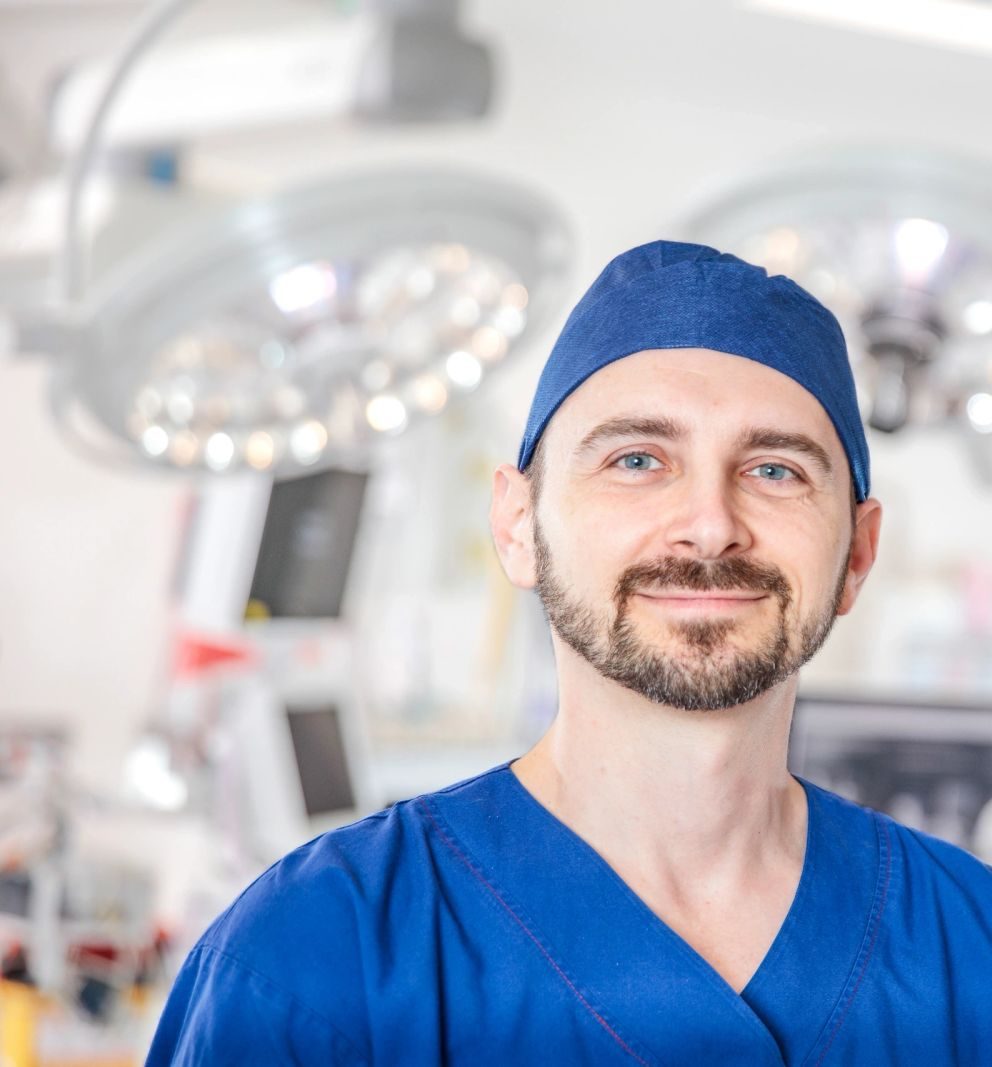
Dr Alexey Borshch is a Brisbane hip surgeon and hip specialist, and a specialist orthopaedic surgeon. He consults at Queensland Surgery Centre in Hamilton and operates at Brisbane Private Hospital, assessing and treating hip pain, hip arthritis and hip fractures. He holds FAOrthA, MBBS and BSc (Hons), is a Fellow of the Australian Orthopaedic Association, and completed the Royal Australasian College of Surgeons Fellowship Examination in Orthopaedic Surgery.
Each consultation starts with a careful assessment and a discussion of the suitable options, including non-surgical treatment. Where surgery is appropriate, his practice includes total hip replacement, the direct anterior approach, revision hip replacement and surgery for neck of femur fractures. Private, DVA and WorkCover patients are welcome.
- FAOrthA · Fellow of the Australian Orthopaedic Association
- AHPRA specialist registration MED0001605790
- Consults in Hamilton · Operates at Brisbane Private Hospital
- Private, DVA and WorkCover patients
- Fee information
When should you see a hip surgeon?
A hip surgeon assesses persistent hip and groin pain, hip arthritis, hip fractures and problems after a previous hip replacement, and advises on both surgical and non-surgical treatment.
Much hip pain settles with time, activity modification, physiotherapy and simple measures arranged through your GP, and pain felt around the hip sometimes comes from the back or the soft tissues rather than the joint. Specialist assessment may be worth considering when groin or thigh pain persists despite appropriate treatment, when stiffness makes it hard to put on shoes and socks or get in and out of a car, when pain disturbs sleep, or when walking distance is shrinking despite medication and exercise. A fall that leaves you unable to bear weight needs urgent assessment, usually through an emergency department. New pain, clicking or a feeling of instability in a hip that has already been replaced also warrants review.
Seeing a hip surgeon does not mean you will need surgery. The aim of the first consultation is a clear diagnosis and a frank discussion of your options, which often include continuing or adjusting non-surgical treatment. If hip replacement or another operation is appropriate, you will have time to understand the proposed procedure, its risks and alternatives, and the recovery involved before you decide. A referral from your GP or another specialist is needed for a specialist consultation and for Medicare rebates.
Hip conditions Dr Borshch treats
Start with the problem you have. Each page explains the condition, the non-surgical options, and when surgery is worth discussing.
How Dr Borshch decides whether hip surgery is appropriate
Hip pain can be felt in the groin, the side of the hip, the buttock or the thigh, and it does not always come from the hip joint itself. The first task is therefore to confirm where the pain is coming from. Dr Borshch weighs your symptoms and how they limit you, what has already been tried and for how long, what the examination shows, and what the imaging adds. An abnormal X-ray or scan alone does not determine whether surgery is appropriate; many people with arthritis on X-ray manage well without an operation.
Non-surgical treatment usually continues when symptoms are manageable with education, activity modification, physiotherapy, strengthening, weight management where appropriate, walking aids, medication or selected injections, or when the risks of surgery outweigh the likely gain. Hip replacement is discussed when arthritis limits walking, sleep and everyday tasks despite those measures. Hip fractures and problems with an existing replacement are different: these usually need surgery, and the question is which operation rather than whether to operate.
When surgery is a reasonable option, the discussion covers the proposed procedure and the surgical approach, the alternatives, the expected recovery and its limitations, and the important risks, and you take the time you need to decide. A second opinion is welcome at any stage, and Dr Borshch writes to your GP after each consultation so that everyone involved in your care is working from the same plan.
Hip surgery options
From a first total hip replacement to revision surgery and fracture care, each procedure is planned around the individual hip.
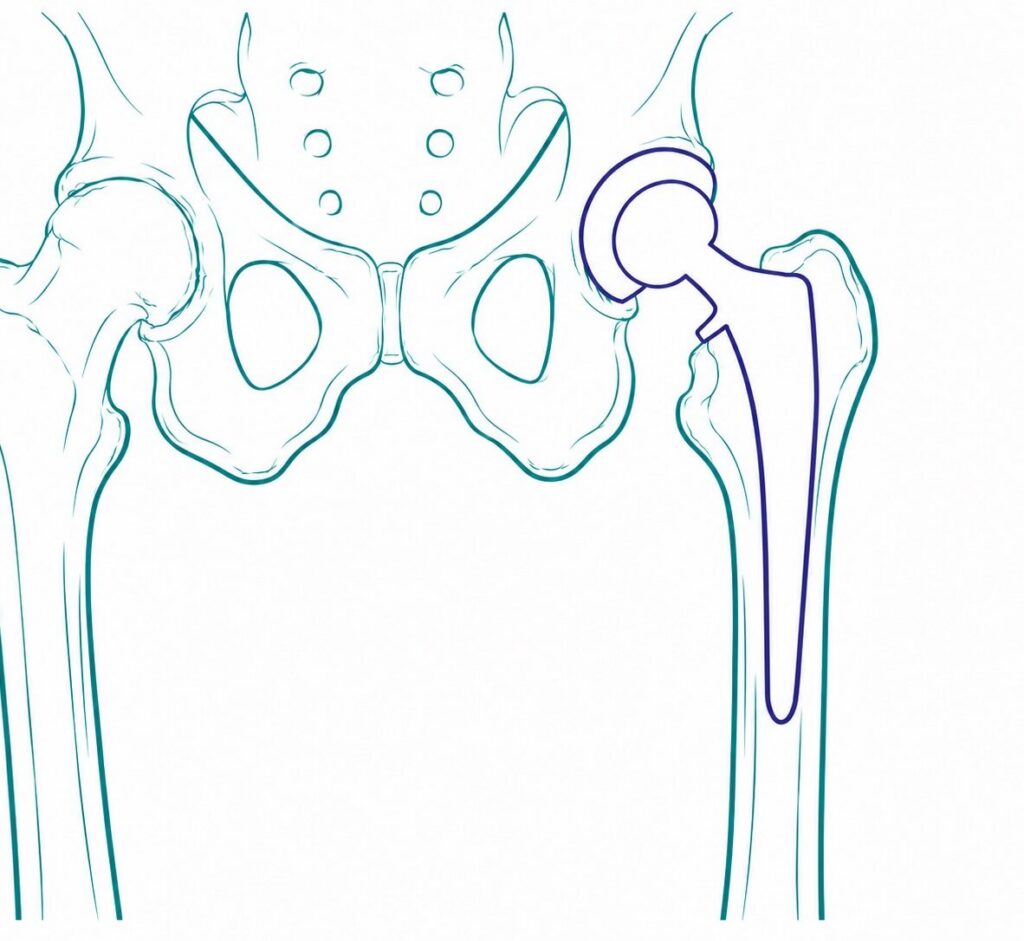
Hip arthritis and total hip replacement
Hip arthritis may cause groin or thigh pain, stiffness and difficulty with walking, sleeping and everyday tasks such as putting on shoes and socks. Total hip replacement may be considered when symptoms remain significant despite appropriate non-surgical treatment. Assessment considers the extent of arthritis, overall health and your goals.
Read about total hip replacement and rehabilitation after hip replacement.
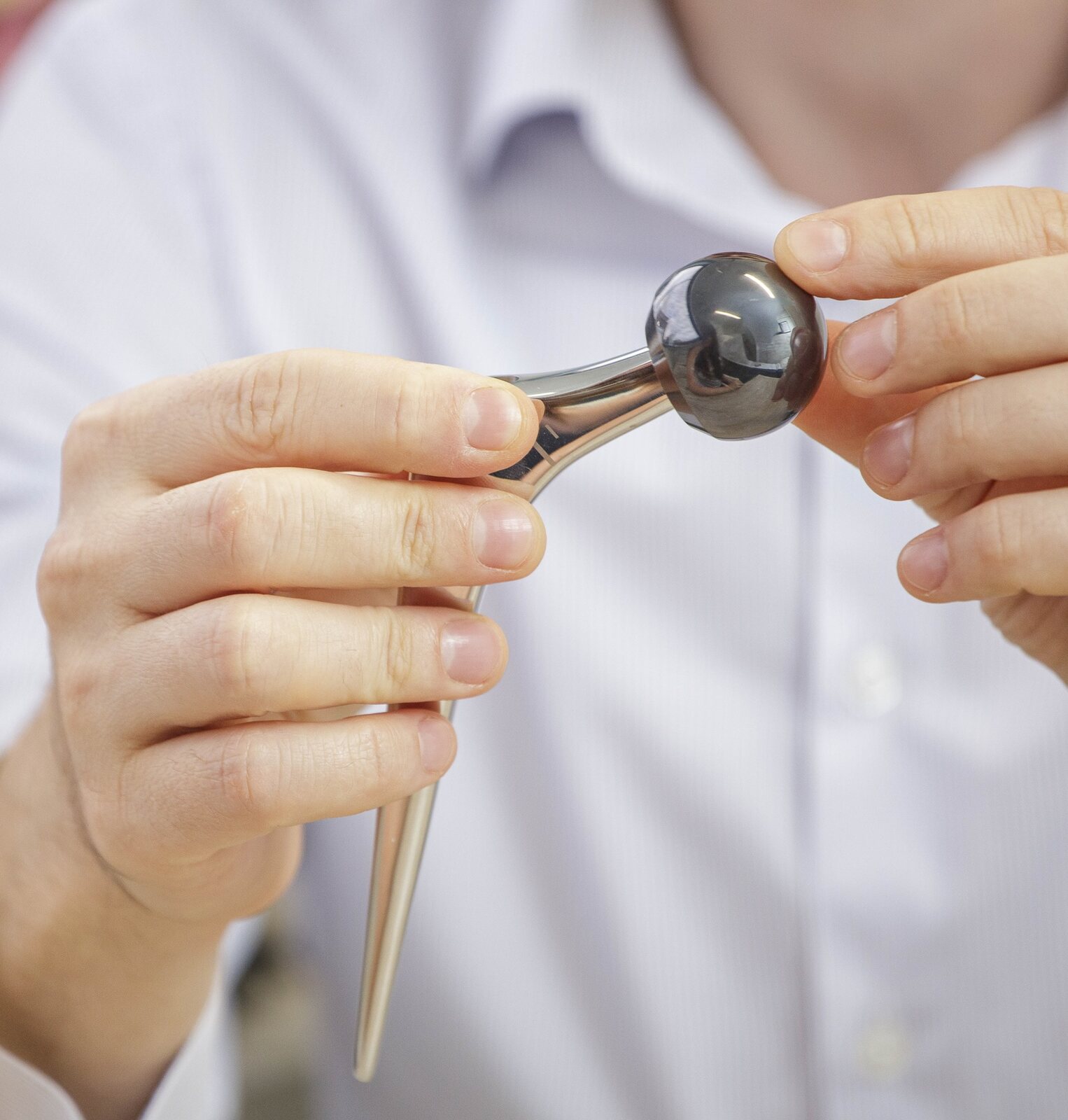
Anterior approach hip replacement
A hip replacement can be performed through different surgical approaches. The direct anterior approach reaches the joint from the front of the hip while preserving major muscle attachments. It is not suitable for every patient, and the choice of approach depends on your anatomy, the condition of the hip and other individual factors. Learn about anterior approach hip replacement.
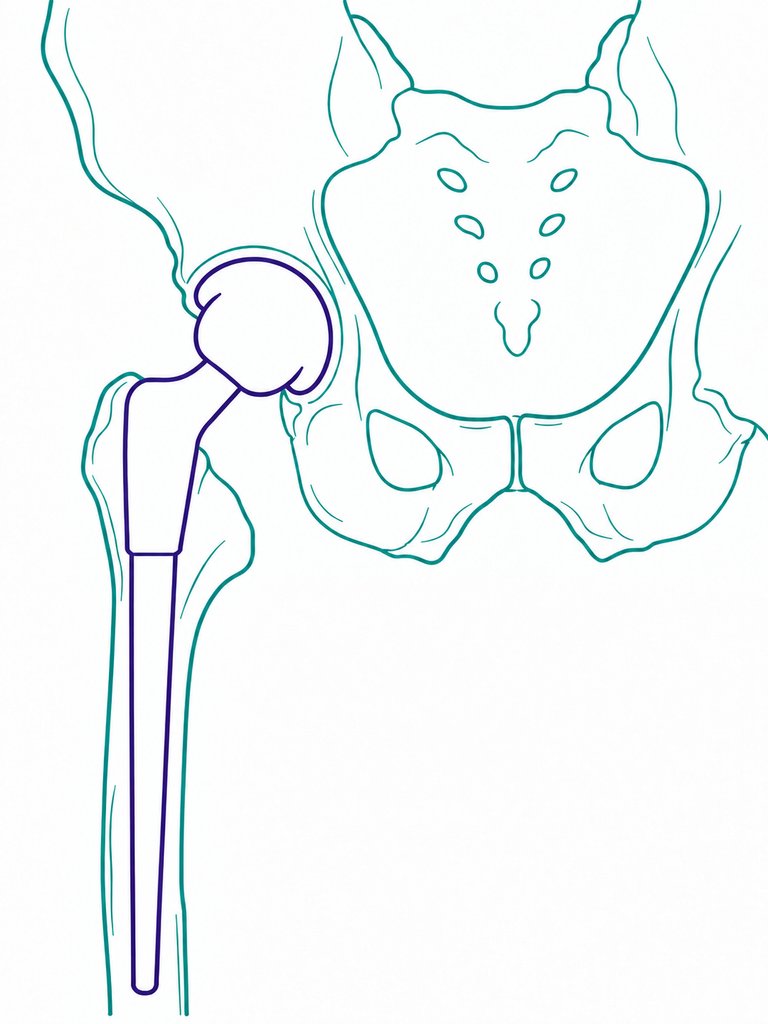
Revision hip replacement
A hip replacement may need further surgery for reasons such as loosening, wear, infection, instability or a fracture around the implant. Assessment usually involves examination, imaging and sometimes blood tests or other investigations to find the cause before treatment is planned. Read about revision hip replacement and whether orthopaedic implants stay in forever.
Hip fractures
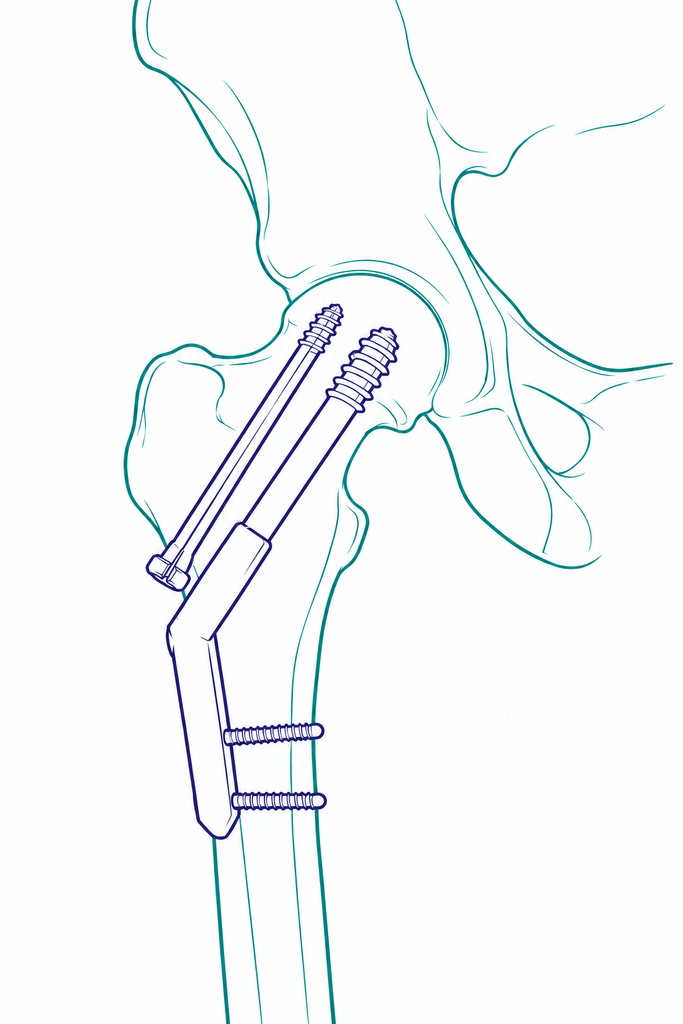
A neck of femur fracture (hip fracture) usually follows a fall. Most are treated with surgery, either fixing the fracture or replacing part or all of the hip joint. Treatment depends on the type of fracture, age, general health and mobility before the injury. Read about neck of femur fracture surgery and fracture surgery in Brisbane.
What happens at your first hip surgeon appointment?

Dr Borshch consults at Queensland Surgery Centre, 9/33 Racecourse Road, Hamilton, and performs private orthopaedic surgery at Brisbane Private Hospital.
Your consultation includes a discussion of your symptoms, previous injuries and treatments, medical history, and the activities that matter to you. A clinical examination and review of relevant imaging help guide the discussion of treatment options.
Bring your referral, any relevant imaging and reports, a current medication list, and details of previous treatment. The clinic can advise which documents are needed when arranging your appointment. You can read more about your first appointment and consultation and surgical fees.
Request an appointment or call the clinic on (07) 3123 7148. Health practitioners can send a patient referral.
Referring a patient with a hip problem
Dr Borshch accepts referrals from GPs, emergency departments, physiotherapists via a GP, and other specialists for hip pain and arthritis, femoroacetabular impingement and labral tears, avascular necrosis, problems after a previous hip replacement, and hip fractures. Private, DVA and WorkCover patients are seen; for work injuries, see the WorkCover page.
A referral that includes the history and mechanism of injury, previous treatment, relevant imaging (a standing X-ray of the pelvis and hip for arthritis; MRI where a labral tear, impingement, avascular necrosis or stress fracture is suspected) and any WorkCover claim details helps the first appointment run smoothly. Referrals can be sent through the online referral form, by fax to (07) 3050 0760 or by email to reception@queenslandsurgerycentre.com.au. For a suspected hip fracture, a dislocated hip replacement, or sudden severe hip pain with inability to bear weight, please phone the rooms on (07) 3123 7148 so the referral can be triaged. More detail is on the For Referrers page.
About Dr Alexey Borshch
Dr Borshch completed his medical degree at the University of Queensland and specialist orthopaedic training through the Australian Orthopaedic Association program, obtaining specialist registration in 2022. He is a Staff Specialist at Redcliffe and STARS hospitals, Acting Director of Orthopaedics at Redcliffe since 2025, and has taught University of Queensland medical students and orthopaedic trainees since 2012. His research includes a peer-reviewed study of how bone density shapes fracture patterns (Injury, 2016) and a 2026 Redcliffe Hospital and QUT seed grant on cartilage repair.
- Fellow of the Australian Orthopaedic Association (FAOrthA)
- AHPRA specialist registration MED0001605790
- Staff Specialist, Redcliffe and STARS hospitals
- Acting Director of Orthopaedics and of Orthopaedic Training, Redcliffe Hospital
- Visiting Medical Officer, Brisbane Private Hospital
- AOA Queensland Regional Training Committee
Frequently asked questions
Do I need a referral to see a hip surgeon?
Yes. A current referral from your GP or another specialist is needed for a specialist consultation and for Medicare rebates. A GP referral is usually valid for 12 months and a specialist referral for 3 months. Your GP can address the referral to Dr Borshch, or health practitioners can send a referral directly.
Does seeing a hip surgeon mean I will need a hip replacement?
No. Many patients seen for hip pain are managed without surgery, through physiotherapy, activity changes, weight management, walking aids, medication or selected injections. Hip replacement is discussed when arthritis is affecting daily life despite those measures, and the decision is yours after the risks, benefits and recovery have been explained.
Can I get a second opinion?
Yes. You are welcome to see Dr Borshch for a second opinion about a hip diagnosis or a proposed operation, and equally to seek another opinion on his advice. Bring your previous imaging and letters so the assessment can build on them rather than start again.
What should I bring to my first appointment?
Bring your referral, any X-rays, MRI or other imaging and their reports, a list of your current medications, details of previous treatment, and your Medicare and private health insurance cards if you have them. See your first appointment for more detail.
Where does Dr Borshch consult and operate?
Consultations are at Queensland Surgery Centre, 9/33 Racecourse Road, Hamilton, in Brisbane's inner north. Private surgery is performed at Brisbane Private Hospital on Wickham Terrace. Consultation fees are advised when you book, and if surgery is recommended you will receive a written estimate of Dr Borshch's fees before you decide. See the fees page for how this works.
This page provides general information. Your diagnosis and treatment plan require an individual assessment.