

Dr Alexey Borshch is a Brisbane fracture surgeon and specialist orthopaedic surgeon. He consults at Queensland Surgery Centre in Hamilton and operates at Brisbane Private Hospital, treating fractures around the hip, knee, ankle and foot, as well as selected upper limb fractures. He holds FAOrthA, MBBS and BSc (Hons), is a Fellow of the Australian Orthopaedic Association, and completed the Royal Australasian College of Surgeons Fellowship Examination in Orthopaedic Surgery. Orthopaedic trauma (fracture care) has been part of his training and hospital work throughout his career.
Not every fracture needs an operation. Treatment depends on where the break is, whether the bone fragments have moved, the condition of the skin and soft tissues, your bone quality, your general health and your usual activities. Each consultation includes a discussion of both non-surgical and surgical options. Many fractures happen at work: Dr Borshch sees injured workers under WorkCover Queensland and other workers' compensation insurers; see the WorkCover patients page for how referrals, claims and surgery approval work.
- FAOrthA · Fellow of the Australian Orthopaedic Association
- AHPRA specialist registration MED0001605790
- Consults in Hamilton · Operates at Brisbane Private Hospital
- Private, DVA and WorkCover patients
- Fee information
When should you see a fracture surgeon?
Many fractures are first seen in an emergency department or by a GP, and some heal well in a cast, boot or brace. A specialist opinion is worth considering when:
- the fracture has moved out of position, involves a joint surface or is unstable
- you have been told surgery may be needed and would like to discuss your options
- a fracture is healing slowly, or pain, stiffness or swelling persist after the bone has healed
- you have had a fracture near a joint replacement, a previous fracture fixation or other surgery.
A referral from your GP, an emergency department or another specialist is needed for a specialist consultation and for Medicare rebates.
Urgent problems need the nearest emergency department, not a clinic appointment. This includes a wound over or near the fracture, a limb that looks deformed, numbness or pins and needles, a cold or pale hand or foot, rapidly increasing swelling, or severe pain that is not controlled with pain relief. In an emergency, call Triple Zero (000).
Fractures Dr Borshch treats
Start with the injury you have. Each page explains the fracture, when it can be treated without surgery, and what the operation involves when it is needed.
How Dr Borshch decides whether a fracture needs surgery
The decision rests on the fracture itself and on the person it belongs to. Dr Borshch looks at where the break is and whether it involves a joint surface, how far the fragments have moved and whether they are likely to stay put, the condition of the skin and soft tissues, and your bone quality. He then weighs these against your general health, the demands of your work and daily life, and what you want from your recovery.
Fractures that are in a good position and stable are usually treated in a cast, boot or brace with follow-up X-rays to check that the position holds and the bone is healing. Surgery is recommended when a fracture is displaced, unstable or involves a joint surface, when it is unlikely to heal in a good position without fixation, or when early movement and weight-bearing matter, as with most hip fractures. Where surgery is needed, the timing is planned around swelling and the soft tissues as well as the bone.
Whichever path is chosen, the plan covers the expected healing time, weight-bearing and movement restrictions, physiotherapy and the follow-up needed, and the important risks. Dr Borshch writes to your GP after each consultation and, for work injuries, communicates with the insurer so that everyone involved in your care is working from the same plan.
How each fracture is treated
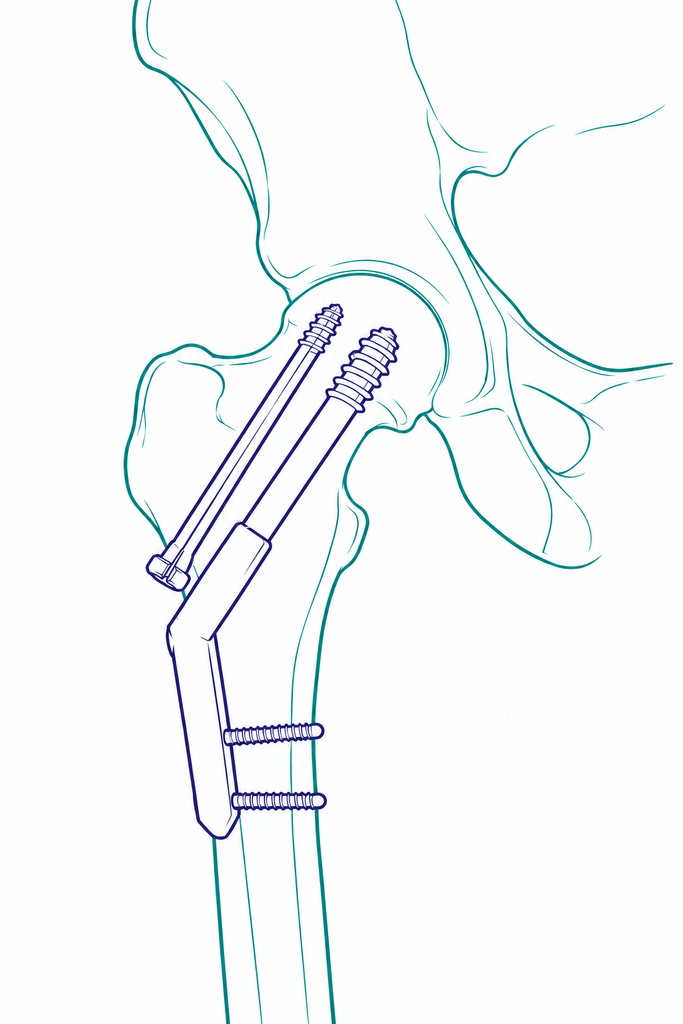
Hip fractures (neck of femur)
A hip fracture usually follows a fall, most often in older people, and is almost always treated with surgery so that you can get up and walk again as soon as it is safe. Depending on the fracture, the bone may be fixed with screws, a plate or a nail, or part or all of the hip joint may be replaced. Recovery is supported by early mobilisation, rehabilitation and attention to bone health to reduce the risk of further fractures. Read about neck of femur fracture surgery and hip surgery in Brisbane.
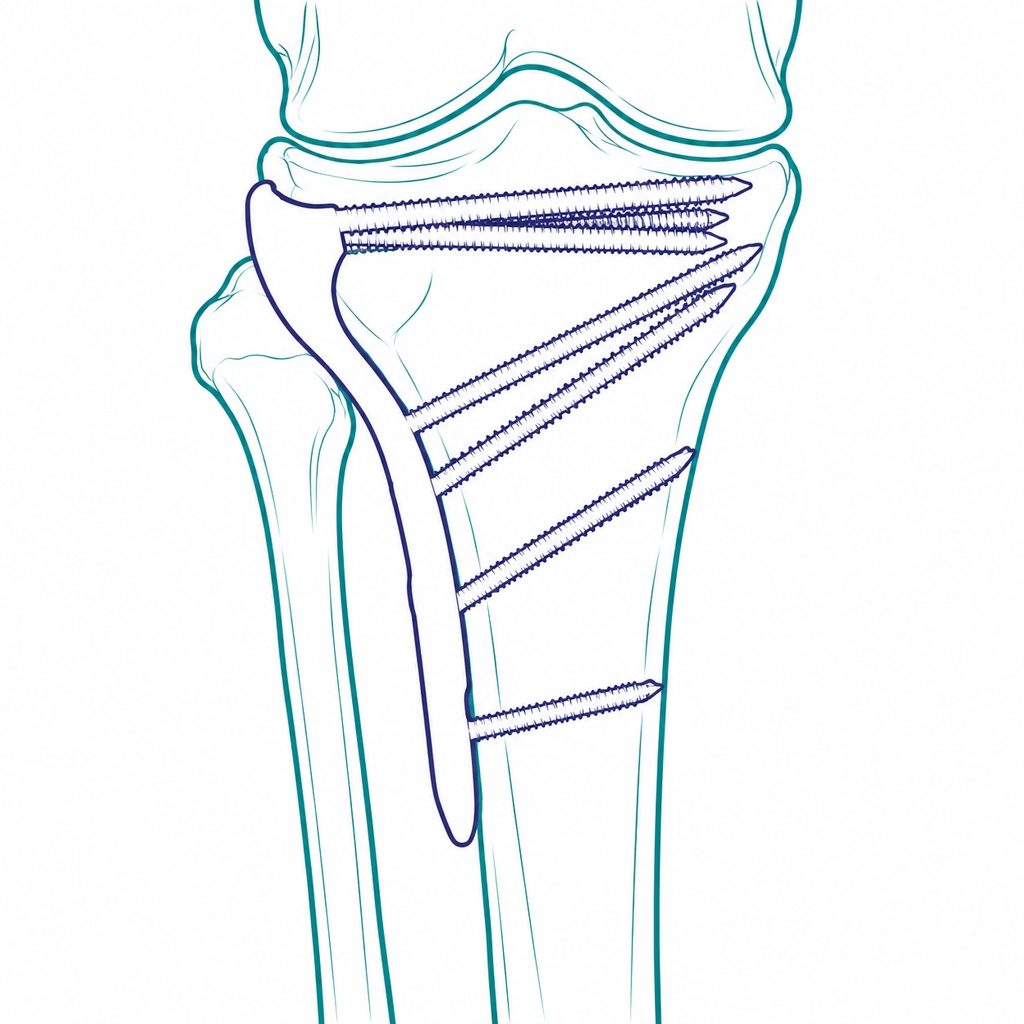
Knee fractures
Fractures around the knee include tibial plateau fractures (the top of the shin bone), distal femur fractures (the lower end of the thigh bone) and patella (kneecap) fractures. Because they often involve the joint surface, restoring the shape and alignment of the joint is important. Some can be managed in a brace with limited weight-bearing; displaced fractures may need surgery with plates, screws, a nail or wires. Read about knee surgery in Brisbane.
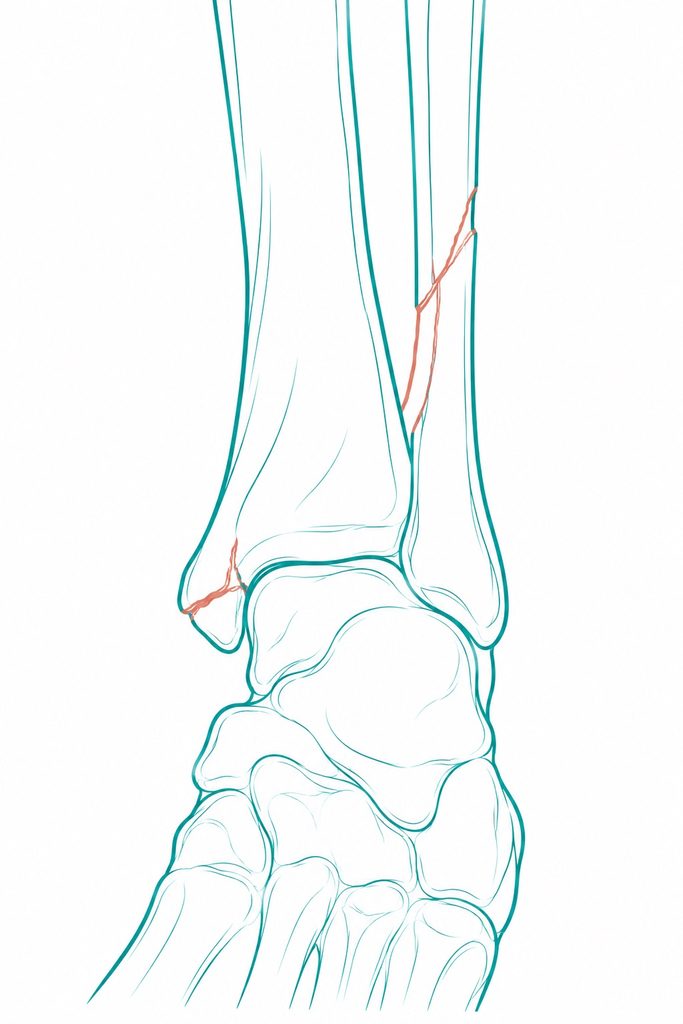
Ankle and foot fractures
Ankle fractures can involve one or more parts of the ankle and the syndesmosis (the ligaments joining the two leg bones above the ankle). Stable fractures may be treated in a cast or boot; unstable or displaced fractures usually need surgery to restore the joint. In the foot, displaced midfoot (Lisfranc) injuries, some heel bone (calcaneus) fractures and some metatarsal fractures may also need surgery. Read about ankle fracture surgery and foot and ankle surgery in Brisbane.
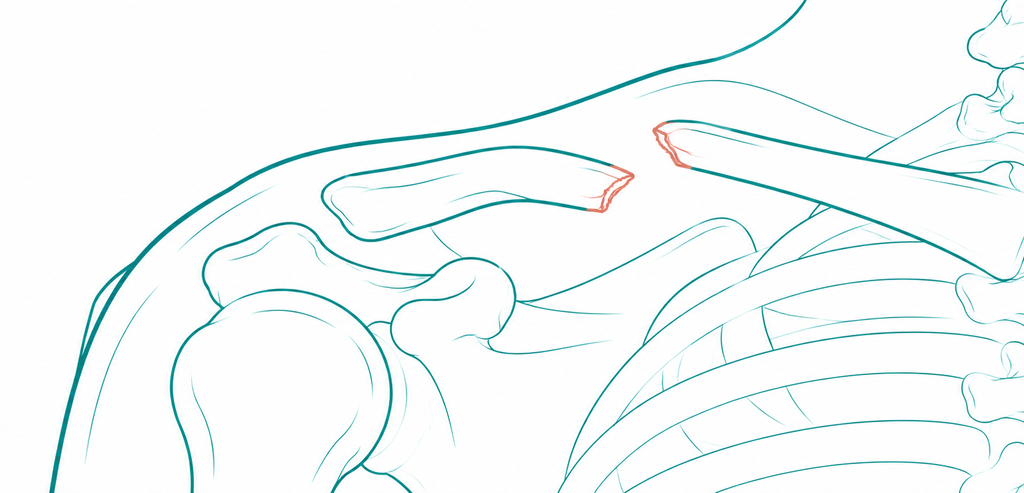
Clavicle and wrist fractures
Most collarbone fractures heal in a sling, but a fracture that is badly displaced, shortened or in several pieces may be fixed with a plate to restore the shape of the shoulder. Wrist (distal radius) fractures are treated in a cast when the position is acceptable and stable, and with a plate when the joint surface is disrupted or the fracture will not hold its position. Read about clavicle fracture surgery and wrist fracture surgery.
Fractures around joint replacements
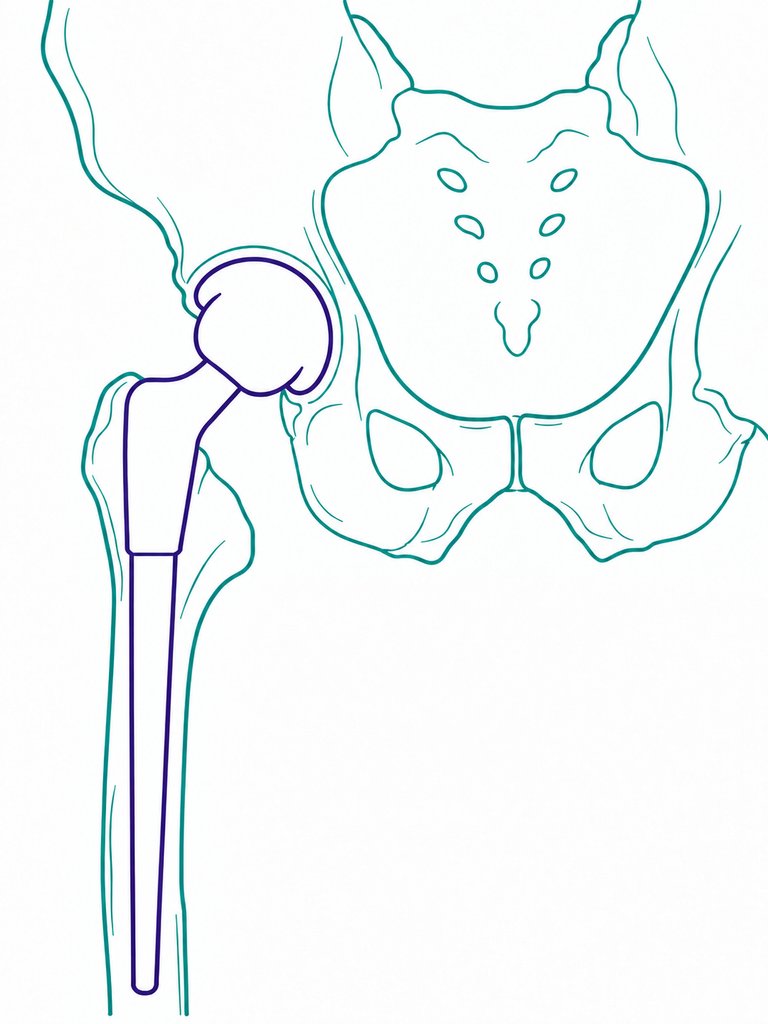
A fall can cause a fracture near a hip or knee replacement (a periprosthetic fracture). Treatment depends on whether the implant is still firmly fixed to the bone, and may involve fixing the fracture, revising (replacing) the implant, or both. Read about revision hip replacement and revision knee replacement.
Recovery and risks
Recovery depends on the fracture and its treatment. Most people need a period of protected or limited weight-bearing, physiotherapy and follow-up X-rays to check healing. Bones usually take six weeks or more to heal, and a return to full activity often takes longer.
Fracture surgery carries risks, including infection, wound problems, blood clots, nerve or blood vessel injury, delayed healing or non-union (the bone not healing), stiffness, ongoing pain, later arthritis and the need for further surgery. Dr Borshch will explain the risks that apply to your fracture and how they are reduced.
What happens at your fracture appointment?

Dr Borshch consults at Queensland Surgery Centre, 9/33 Racecourse Road, Hamilton, and performs private orthopaedic surgery at Brisbane Private Hospital.
Your consultation includes a discussion of how the injury happened, your symptoms, treatment so far, your medical history and the activities that matter to you, followed by an examination and a review of your X-rays or CT scans.
Bring your referral, X-rays or CT scans and their reports (or details of where they were done), hospital discharge papers if you were seen in an emergency department, any cast, boot or brace instructions, and a list of your medications, especially blood thinners. You can read more about your first appointment and consultation and surgical fees.
Request an appointment or call the clinic on (07) 3123 7148. Health practitioners can send a patient referral.
Referring a patient with a fracture
Dr Borshch accepts referrals from GPs, emergency departments, physiotherapists via a GP, and other specialists for fractures of the hip, femur, knee, tibia, ankle, foot, wrist, forearm and collarbone, including those where it is unclear whether surgery is needed. Private, DVA and WorkCover patients are seen; for work injuries, see the WorkCover page.
A referral that includes the history and mechanism of injury, previous treatment, the imaging already taken (X-rays and any CT), the date of injury, and any current splint or cast and any WorkCover claim details helps the first appointment run smoothly. Referrals can be sent through the online referral form, by fax to (07) 3050 0760 or by email to reception@queenslandsurgerycentre.com.au. For an acute fracture, please phone the rooms on (07) 3123 7148 the same day so the referral can be triaged; a displaced or open fracture should go to an emergency department. More detail is on the For Referrers page.
About Dr Alexey Borshch
Dr Borshch completed his medical degree at the University of Queensland and specialist orthopaedic training through the Australian Orthopaedic Association program, obtaining specialist registration in 2022. He is a Staff Specialist at Redcliffe and STARS hospitals, where fracture care is a core part of the work, Acting Director of Orthopaedics at Redcliffe since 2025, and has taught University of Queensland medical students and orthopaedic trainees since 2012. His research includes a peer-reviewed study of how bone density shapes fracture patterns (Injury, 2016).
- Fellow of the Australian Orthopaedic Association (FAOrthA)
- AHPRA specialist registration MED0001605790
- Staff Specialist, Redcliffe and STARS hospitals
- Acting Director of Orthopaedics and of Orthopaedic Training, Redcliffe Hospital
- Visiting Medical Officer, Brisbane Private Hospital
- AOA Queensland Regional Training Committee
Frequently asked questions
Do all fractures need surgery?
No. Many fractures heal well in a cast, boot or brace. Surgery is considered when a fracture is displaced, unstable or involves a joint surface, or when it is unlikely to heal in a good position without it.
Do I need a referral to see a fracture surgeon?
Yes, for a clinic appointment. A current referral from your GP, an emergency department or another specialist is needed for a specialist consultation and for Medicare rebates, and health practitioners can send a referral directly. Emergencies should go to the nearest emergency department.
Can I get a second opinion about my fracture?
Yes. You are welcome to see Dr Borshch for a second opinion about a fracture or a proposed operation, including a fracture that is healing slowly or has healed in a poor position. Bring your X-rays, scans and previous letters so the assessment can build on them.
Will plates and screws need to be removed?
Usually not. Plates, screws and nails are generally left in place unless they cause irritation or other problems, in which case removal can be discussed once the bone has healed.
How are consultation and surgery fees handled?
Consultation fees are advised when you book. If surgery is recommended, you will receive a written estimate of Dr Borshch's fees before you decide, so that you can check your rebates with Medicare and your health fund. Hospital, anaesthetist and other charges are billed separately. See the fees page for how this works.
This page provides general information. Your diagnosis and treatment plan require an individual assessment.