
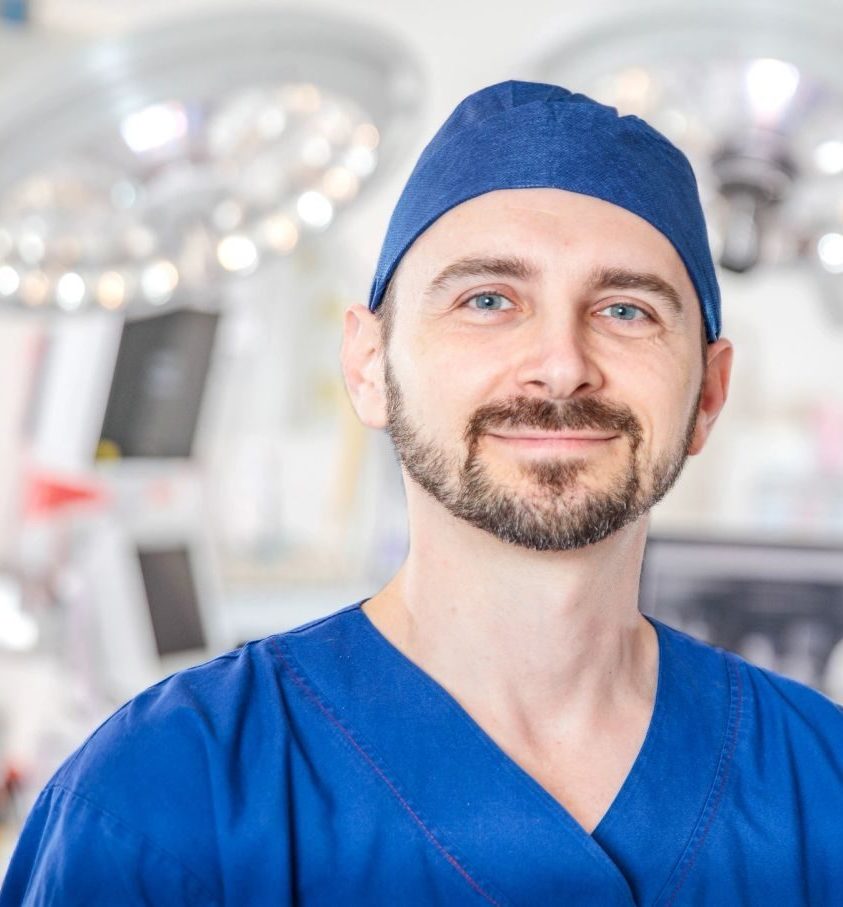
Dr Alexey Borshch is a Brisbane knee surgeon and knee specialist, and a specialist orthopaedic surgeon. He consults at Queensland Surgery Centre in Hamilton and operates at Brisbane Private Hospital, assessing and treating knee pain, sports injuries and knee arthritis. He holds FAOrthA, MBBS and BSc (Hons), is a Fellow of the Australian Orthopaedic Association, and completed the Royal Australasian College of Surgeons Fellowship Examination in Orthopaedic Surgery.
Each consultation starts with a careful assessment and a discussion of the suitable options, including non-surgical treatment. Where surgery is appropriate, his practice includes ACL reconstruction, meniscus repair, cartilage and kneecap stabilisation surgery, and partial, total and robotic-assisted knee replacement. Private, DVA and WorkCover patients are welcome.
- FAOrthA · Fellow of the Australian Orthopaedic Association
- AHPRA specialist registration MED0001605790
- Consults in Hamilton · Operates at Brisbane Private Hospital
- Private, DVA and WorkCover patients
- Fee information
When should you see a knee surgeon?
A knee surgeon, or knee specialist, assesses persistent knee pain, instability, injuries and arthritis, and advises on both surgical and non-surgical treatment.
Many knee problems settle with time, activity modification, physiotherapy and simple measures arranged through your GP. Specialist assessment may be worth considering when pain persists despite appropriate treatment, when the knee repeatedly gives way or feels unstable, when it locks, catches or will not fully straighten, or when swelling keeps returning after activity. A significant injury, such as a suspected ligament tear, a kneecap dislocation or a fracture, also warrants review, as does arthritis that limits walking, sleep, work or the activities you value despite medication and exercise.
Seeing a knee surgeon does not mean you will need surgery. The aim of the first consultation is a clear diagnosis and a frank discussion of your options, which often include continuing or adjusting non-surgical treatment. If surgery is appropriate, you will have time to understand the proposed procedure, its risks and alternatives, and the recovery involved before you decide. A referral from your GP or another specialist is needed for a specialist consultation and for Medicare rebates.
Knee conditions Dr Borshch treats
Start with the problem you have. Each page explains the condition, the non-surgical options, and when surgery is worth discussing.
How Dr Borshch decides whether knee surgery is appropriate
Most knees seen in the clinic do not need an operation, so the first task is to establish what is actually causing the symptoms. Dr Borshch weighs four things together: what the knee is doing (pain, swelling, giving way, locking or stiffness, and how often), what has already been tried and for how long, what the examination shows, and what the imaging adds. A scan finding on its own, such as a degenerative meniscus tear in a knee that also has arthritis, is rarely a reason to operate.
Non-surgical treatment usually continues when symptoms are improving, when a structured physiotherapy programme has not yet had a fair trial, when arthritis is still manageable with exercise, weight management, medication or selected injections, or when the risks of surgery outweigh the likely gain. Surgery is discussed when there is a mechanical problem that will not settle, such as a locked knee, a repairable meniscus tear, an unstable ligament injury or recurrent kneecap dislocation, or when arthritis limits walking, sleep and work despite proper non-surgical care.
When surgery is a reasonable option, the discussion covers which operation fits the knee and your goals, the alternatives, the recovery and the important risks, and you take the time you need to decide. A second opinion is welcome at any stage, and Dr Borshch writes to your GP after each consultation so that everyone involved in your care is working from the same plan.
Knee surgery options
Knee surgery is the largest part of Dr Borshch's practice, from arthroscopic repair of meniscus and ligament injuries to partial, total and revision knee replacement.
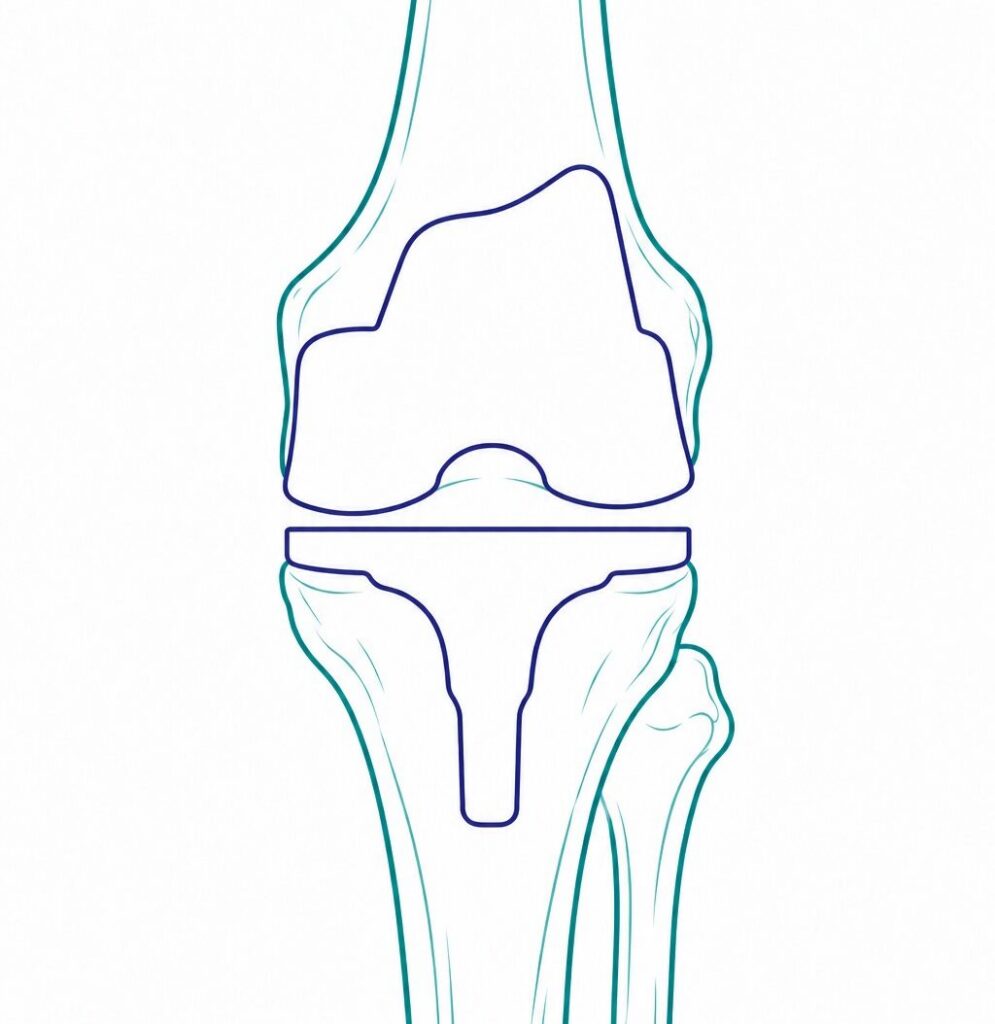
Knee arthritis and total knee replacement
Arthritis may cause pain, stiffness and difficulty with everyday activities. Knee replacement may be considered when symptoms remain significant despite appropriate non-surgical treatment. Assessment considers the extent of arthritis, knee alignment and stability, overall health and your goals. Robotic assistance is used for planning and alignment where appropriate.
Read about total knee replacement and rehabilitation after knee replacement.
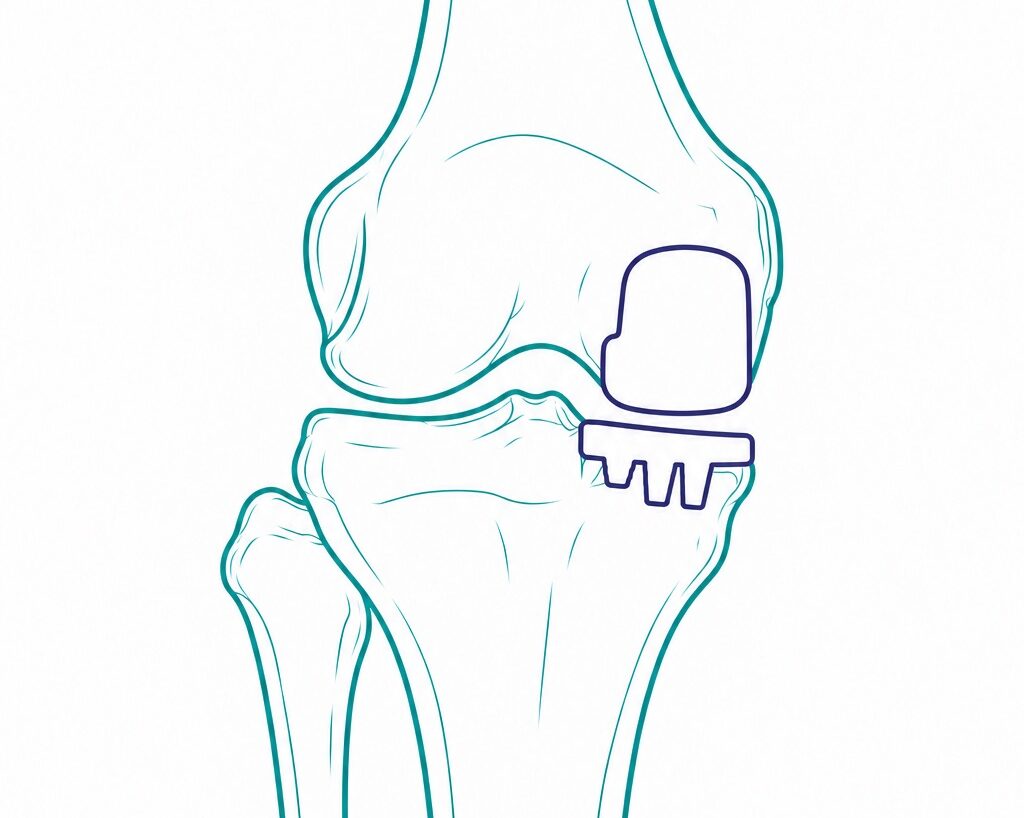
Partial knee replacement and osteotomy
When arthritis is confined to one part of the knee, a partial knee replacement replaces only the worn compartment. In younger, active patients with wear on one side and a malaligned leg, a high tibial osteotomy or distal femoral osteotomy can shift load away from the damaged area and delay replacement.
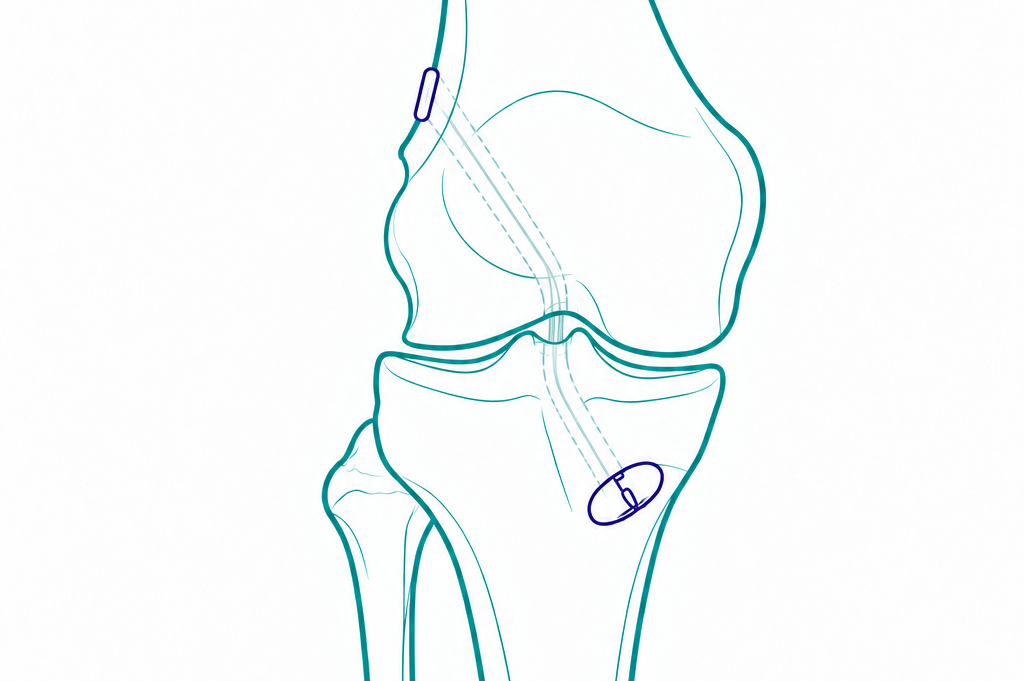
ACL and other ligament injuries
An ACL tear can cause instability, particularly during twisting, pivoting and sport. Some patients do well with rehabilitation alone; for others, ACL reconstruction is considered, with the graft (hamstring, quadriceps tendon or patellar tendon) chosen to suit the knee and activity demands. PCL and posterolateral corner injuries are treated through the same practice.
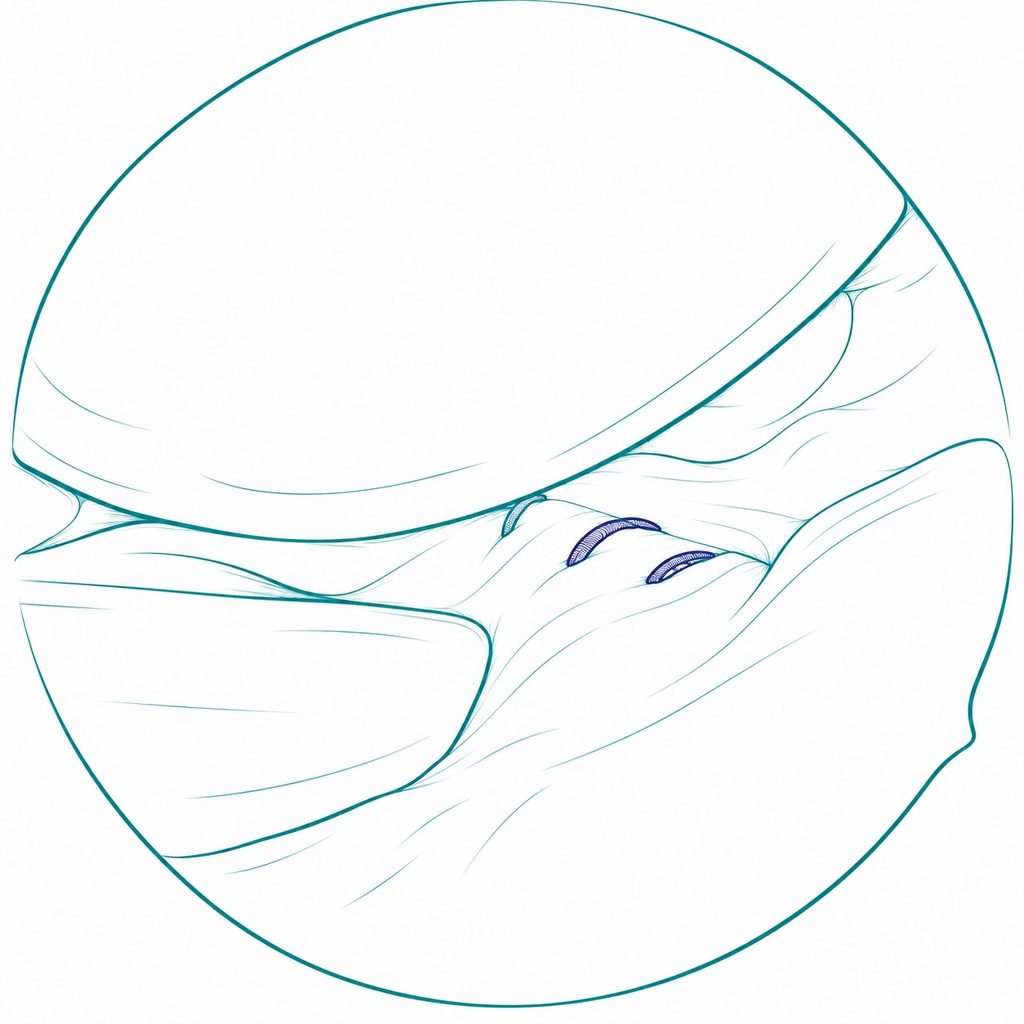
Meniscus tears
Meniscus tears may follow a twisting injury or develop gradually. Some can be managed with physiotherapy and activity modification. When surgery is appropriate, the choice between repair and trimming depends on the tear and the condition of the knee; Dr Borshch aims to preserve useful meniscal tissue where repair has a reasonable opportunity to heal. Read about meniscus repair and surgery and knee arthroscopy.
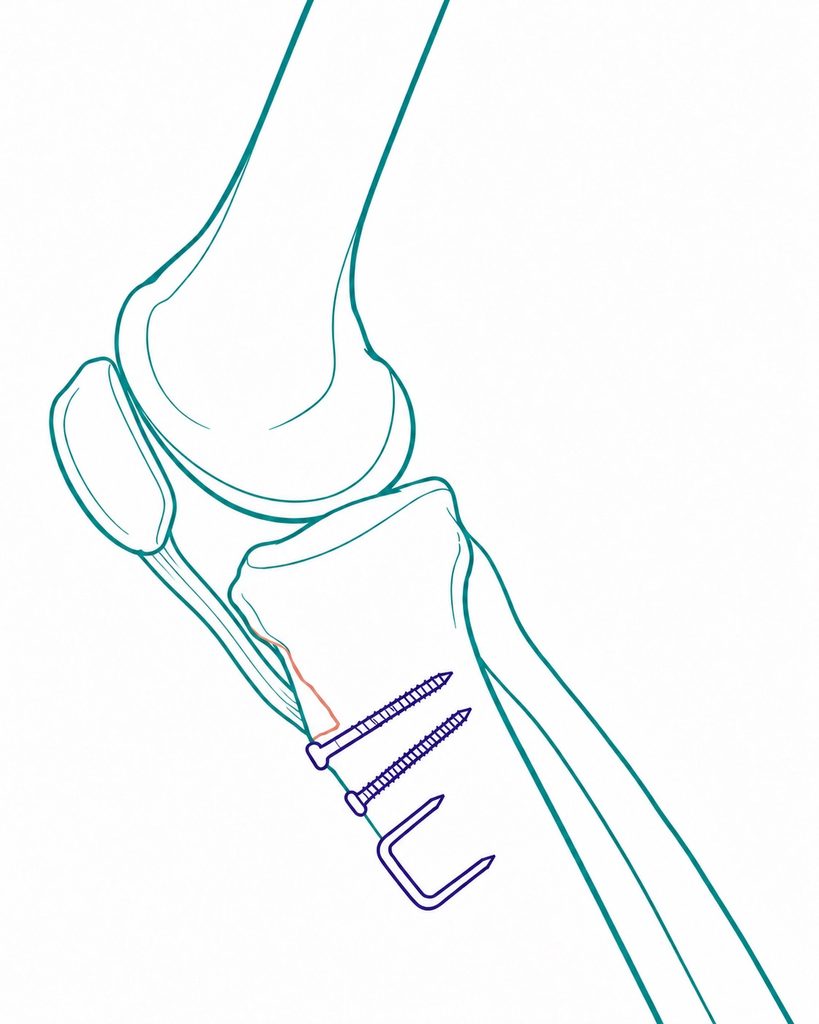
Kneecap instability
Recurrent kneecap dislocation may result from ligament injury, the shape of the bones, limb alignment or a combination. Patella stabilisation can involve MPFL reconstruction, a tibial tubercle osteotomy or both, depending on the underlying cause.
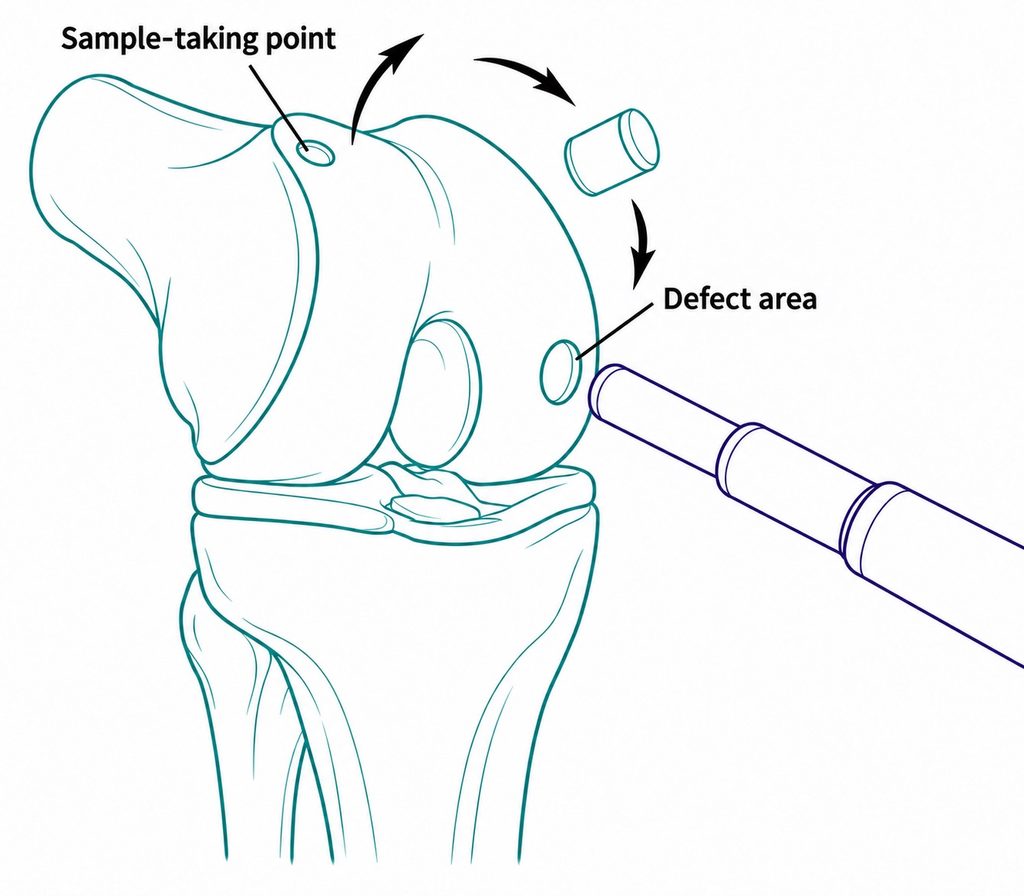
Cartilage injuries
Cartilage repair may be considered for a symptomatic focal cartilage defect that remains troublesome despite non-operative treatment. Techniques include microfracture, osteochondral autograft transfer and minced cartilage grafting. Dr Borshch is a named investigator on a 2026 Redcliffe Hospital and QUT seed grant studying cartilage repair after microfracture.
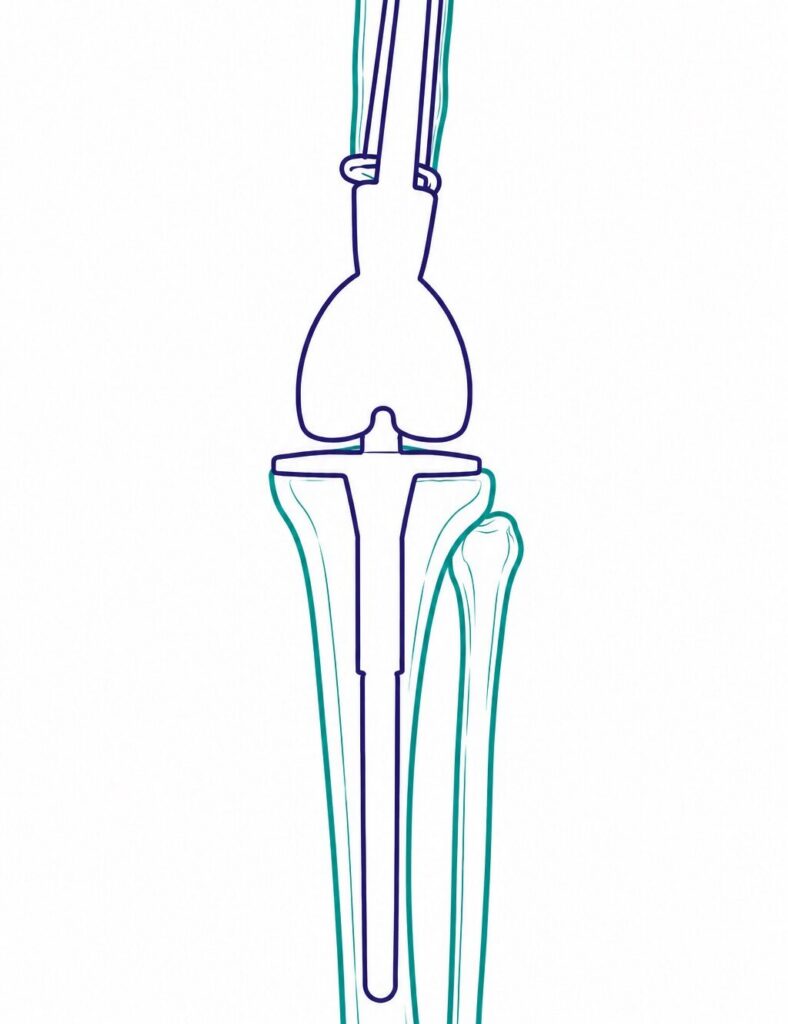
Revision and complex knee replacement
Revision knee replacement treats problems with an existing knee replacement, including loosening, wear, instability, infection or fracture. Complex primary knee replacement is a first replacement made more demanding by deformity, bone loss, previous surgery or ligament problems. Both are individually planned according to the cause, the existing implants and the available bone and ligament support.
Fractures around the knee
Dr Borshch also treats fractures of the kneecap, the lower femur and the top of the shin bone, which can involve the joint surface and need accurate realignment to protect the knee in the long term. Read about patella fracture surgery, distal femur fracture surgery and tibial plateau fracture surgery, or see the fracture surgeon page for fracture care in general.
What happens at your first knee surgeon appointment?

Dr Borshch consults at Queensland Surgery Centre, 9/33 Racecourse Road, Hamilton, and performs private orthopaedic surgery at Brisbane Private Hospital.
Your consultation includes a discussion of your symptoms, previous injuries and treatments, medical history, and the activities that matter to you. A clinical examination and review of relevant imaging help guide the discussion of treatment options.
Bring your referral, any relevant imaging and reports, a current medication list, and details of previous treatment. The clinic can advise which documents are needed when arranging your appointment. You can read more about your first appointment and consultation and surgical fees.
Request an appointment or call the clinic on (07) 3123 7148. Health practitioners can send a patient referral.
Referring a patient with a knee problem
Dr Borshch accepts referrals from GPs, emergency departments, physiotherapists via a GP, and other specialists for knee pain and arthritis, meniscus and ligament injuries, kneecap instability, cartilage injuries, problems after a previous knee replacement, and fractures around the knee. Private, DVA and WorkCover patients are seen; for work injuries, see the WorkCover page.
A referral that includes the history and mechanism of injury, previous treatment, relevant imaging (standing X-rays for arthritis; MRI where a meniscus, ligament or cartilage injury is suspected) and any WorkCover claim details helps the first appointment run smoothly. Referrals can be sent through the online referral form, by fax to (07) 3050 0760 or by email to reception@queenslandsurgerycentre.com.au. For a locked knee, a suspected fracture or an acute multi-ligament injury, please phone the rooms on (07) 3123 7148 so the referral can be triaged. More detail is on the For Referrers page.
About Dr Alexey Borshch
Dr Borshch completed his medical degree at the University of Queensland and specialist orthopaedic training through the Australian Orthopaedic Association program, obtaining specialist registration in 2022. He is a Staff Specialist at Redcliffe and STARS hospitals, Acting Director of Orthopaedics at Redcliffe since 2025, and has taught University of Queensland medical students and orthopaedic trainees since 2012. His research includes a peer-reviewed study of how bone density shapes fracture patterns (Injury, 2016) and a 2026 Redcliffe Hospital and QUT seed grant on cartilage repair.
- Fellow of the Australian Orthopaedic Association (FAOrthA)
- AHPRA specialist registration MED0001605790
- Staff Specialist, Redcliffe and STARS hospitals
- Acting Director of Orthopaedics and of Orthopaedic Training, Redcliffe Hospital
- Visiting Medical Officer, Brisbane Private Hospital
- AOA Queensland Regional Training Committee
Frequently asked questions
Do I need a referral to see a knee surgeon?
Yes. A current referral from your GP or another specialist is needed for a specialist consultation and for Medicare rebates. A GP referral is usually valid for 12 months and a specialist referral for 3 months. Your GP can address the referral to Dr Borshch, or health practitioners can send a referral directly.
Does seeing a knee surgeon mean I will need an operation?
No. Many patients seen for knee pain are managed without surgery, through physiotherapy, activity changes, weight management, medication or selected injections. Surgery is discussed only when it is likely to help more than the alternatives, and the decision is yours after the risks, benefits and recovery have been explained.
Do I need an X-ray or MRI before my appointment?
Not necessarily. Bring any imaging you already have. Standing X-rays are the most useful first test for knee arthritis, and an MRI helps when a meniscus, ligament or cartilage injury is suspected. If further imaging is needed it can be arranged after the consultation, so a lack of scans should not delay a referral.
Can I get a second opinion?
Yes. You are welcome to see Dr Borshch for a second opinion about a knee diagnosis or a proposed operation, and equally to seek another opinion on his advice. Bring your previous imaging and letters so the assessment can build on them rather than start again.
What should I bring to my first appointment?
Bring your referral, any X-rays, MRI or other imaging and their reports, a list of your current medications, details of previous treatment, and your Medicare and private health insurance cards if you have them. See your first appointment for more detail.
How are consultation and surgery fees handled?
Consultation fees are advised when you book. If surgery is recommended, you will receive a written estimate of Dr Borshch's fees before you decide, so that you can check your rebates with Medicare and your health fund. Hospital, anaesthetist and other charges are billed separately. See the fees page for how this works.
This page provides general information. Your diagnosis and treatment plan require an individual assessment.