
What is a high tibial osteotomy?
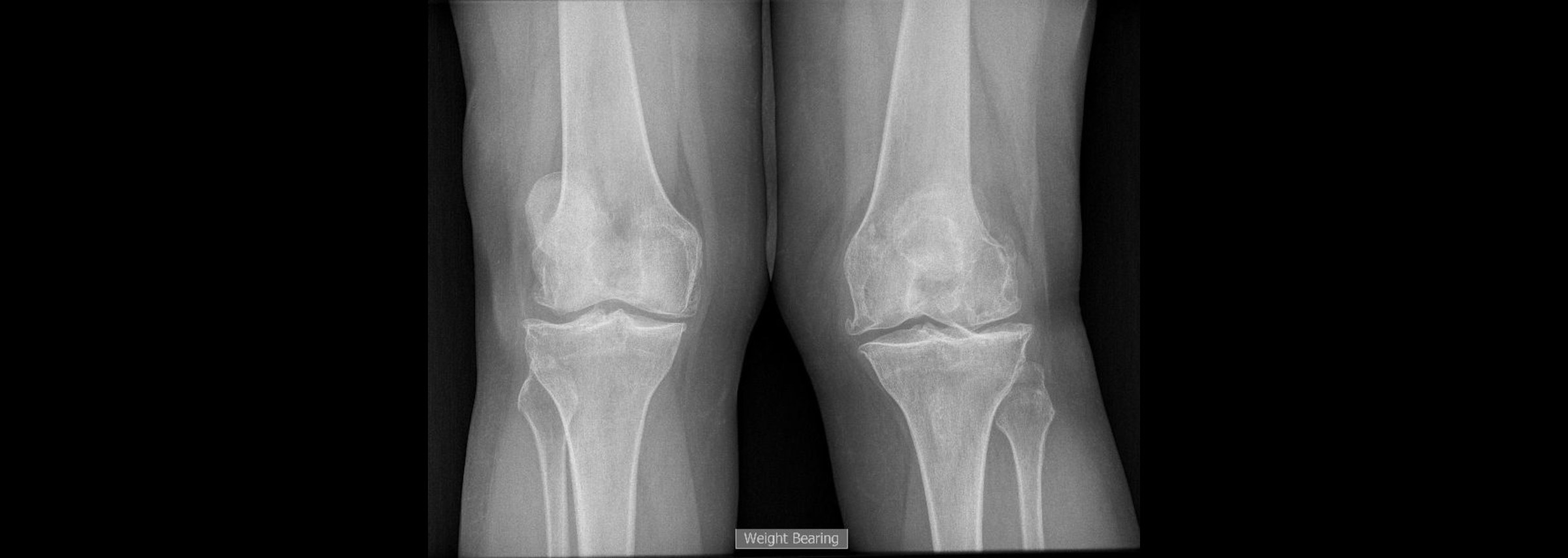
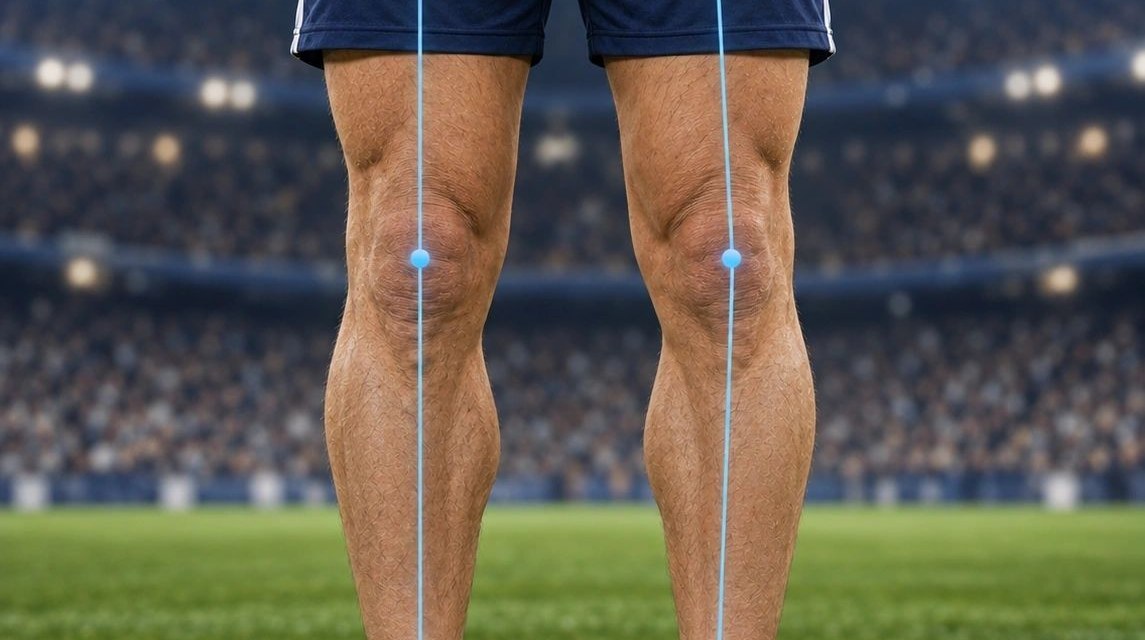
A high tibial osteotomy (HTO) is an operation that changes the alignment of the leg to take pressure off a worn part of the knee. It is used mainly for people whose legs are bow-legged (varus alignment). In a bow-legged knee, body weight passes mostly through the inner (medial) side of the joint, and that side tends to wear out faster (PMID 11448282; PMID 18975356).
Through an incision over the upper shin, the surgeon makes a planned cut in the shin bone (tibia) just below the knee. This cut is called an osteotomy. The bone is then either opened into a small wedge on the inner side (opening-wedge) or a small wedge of bone is removed from the outer side (closing-wedge), and the bone is held in its new position with a plate and screws while it heals. This shifts the weight-bearing line of the leg away from the worn inner side, towards the healthier outer (lateral) side of the knee (PMID 16112984; PMID 34242204).
HTO is a joint-preserving operation: it keeps your own knee rather than replacing it. It is mainly considered for active people with arthritis, cartilage damage or meniscus problems limited to the inner side of the knee (PMID 31079766; PMID 34242204). A thorough clinical examination by a specialist and modern imaging, including standing X-rays of the whole leg and often an MRI scan, help confirm the diagnosis and plan the size of the correction. HTO can be combined with other procedures, such as cartilage repair or a knee arthroscopy.
What are the benefits of a high tibial osteotomy?
The main benefits of a high tibial osteotomy are less pain and better function, while keeping your own knee joint, including its ligaments and the healthier outer side. A review of more than 7,000 osteotomies followed for over 10 years on average found that the improvement in symptoms and function lasted to the latest follow-up, and that most people were able to delay a knee replacement for many years (PMID 32909057). In a review of opening-wedge osteotomies followed for at least 10 years, 86% of knees had not needed a knee replacement (PMID 41696927).
Most people return to sport and work after the bone has healed. In a review of nearly 1,200 people, about 87% returned to sport and 85% returned to work, most of them within a year of surgery (PMID 27655985). A second large review also found high rates of return to sport and work after this type of osteotomy (PMID 31774691).
What are the risks of a high tibial osteotomy?
A high tibial osteotomy does not help every knee. It is not suited to arthritis that affects the whole knee (PMID 31079766), and its benefit can wear off over time as arthritis progresses. In one review of more than 5,000 patients, about 5 in 100 needed a knee replacement within 5 years, about 8 in 100 at 5 to 10 years, and about 11 in 100 after more than 10 years (PMID 39916951).
In a review of more than 7,800 patients, problems during surgery happened in about 5 in 100 and problems after surgery in about 7 in 100 (PMID 36779579). In an opening-wedge osteotomy, the most common problem was a crack in the thin bridge of bone left on the outer side (a lateral hinge fracture), in about 1 in 11. This can make the fixation less stable and slow bone healing (PMID 36779579; PMID 37395709). In a closing-wedge osteotomy, injury to the peroneal nerve (the nerve that lifts the foot) happened in about 1 in 30 (PMID 36779579).
Other possible problems include wound infection, the bone not healing (non-union, about 2 in 100), loss of the correction, stiffness and ongoing pain. About 15 in 100 people had a further operation, most often to remove the plate and screws (PMID 36779579; PMID 31079766).
If a knee replacement is needed later, its long-term results are similar to those of a knee replacement without a previous osteotomy, but the operation is more complex and complications are more common (PMID 40095117).
Summary
A high tibial osteotomy realigns the leg to take load off the worn inner side of the knee, so that you can keep your own knee for longer. It is usually recommended when the expected benefits for you outweigh the risks. You should discuss your symptoms, your scans and your goals, including plans for sport and work, with your knee surgeon so that you can consider the options, such as a partial knee replacement, and the indications for surgery together.
General information only. The information on this page is general in nature and does not replace individual medical advice. All surgery carries risks, and results vary between patients. Please discuss your own circumstances with your treating practitioner.