
What is a distal femoral osteotomy?
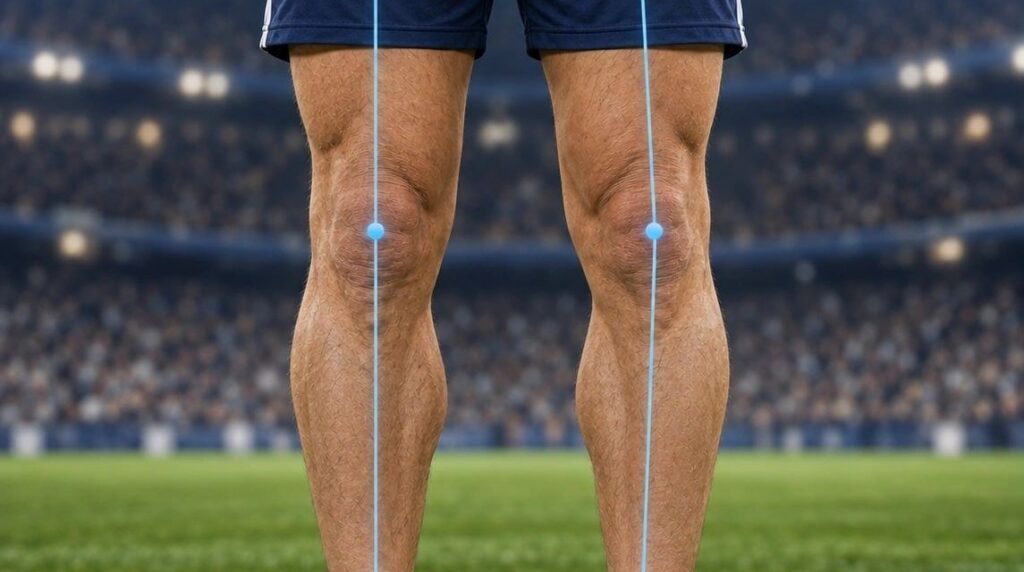
A distal femoral osteotomy (DFO) is an operation that changes the alignment of the leg to take pressure off a worn or damaged part of the knee. It is used mainly for people whose legs are knock-kneed (valgus alignment). In a knock-kneed leg, body weight passes mostly through the outer (lateral) side of the knee, and that side tends to wear out faster (PMID 18975356; PMID 35156408).
Through an incision on the side of the lower thigh, the surgeon makes a planned cut in the thigh bone (femur) just above the knee. This cut is called an osteotomy. The bone is then either opened into a small wedge on the outer side (lateral opening-wedge) or a small wedge of bone is removed from the inner side (medial closing-wedge), and the bone is held in its new position with a plate and screws while it heals (PMID 27265250; PMID 35156408). This is the mirror image of a high tibial osteotomy, which corrects a bow-legged knee through the shin bone. The correction shifts the weight-bearing line of the leg away from the worn outer side, towards the healthier inner (medial) side of the knee (PMID 25894751).
DFO is a joint-preserving operation: it keeps your own knee rather than replacing it. It is mainly considered for younger, active people with arthritis or cartilage damage limited to the outer side of the knee (PMID 41082590; PMID 40345664). It can also be used for people with knock-knees whose kneecap dislocates laterally (to the outside) again and again, because correcting the alignment improves how the kneecap tracks (PMID 34486439; PMID 39260775). A thorough clinical examination by a specialist and modern imaging, including standing X-rays of the whole leg and often an MRI scan, help confirm the diagnosis and plan the size of the correction. DFO can be combined with other procedures, such as cartilage repair, meniscus surgery or kneecap stabilisation.
What are the benefits of a distal femoral osteotomy?
The main benefits of a distal femoral osteotomy are less pain and better function, while keeping your own knee joint, including its ligaments and the healthier inner side. A review of 23 studies found good to excellent improvements in knee scores after both the opening-wedge and closing-wedge techniques (PMID 35156408). In a Sydney study of people followed for 10 years on average, 85% of knees had not needed a knee replacement 10 years after surgery (PMID 40345664), and in a French study with at least 10 years of follow-up, about three in four people were satisfied with the result (PMID 39105436).
Many people return to sport and work after the bone has healed. In a review of studies on return to activity, 70% to 100% of people returned to sport, usually 8 to 17 months after surgery, and most were able to return to recreational sport (PMID 34486439). In the long-term French study, 92% of people returned to sport (PMID 39105436).
For people with knock-knees and repeated kneecap dislocations, a review found better knee function after DFO, often combined with other kneecap procedures, and only about 4 in 100 knees dislocated again (PMID 39260775).
What are the risks of a distal femoral osteotomy?
A distal femoral osteotomy does not help every knee. In the context of arthritis it is designed for wear on the outer side of the knee, and its benefit can wear off over time as arthritis progresses. In a review of 18 studies, the proportion of knees that had not needed a knee replacement was 74% to 90% at 10 years, but 45% to 79% at 15 years (PMID 41082590). People who are older at the time of surgery are more likely to need a knee replacement later (PMID 40345664; PMID 33029543).
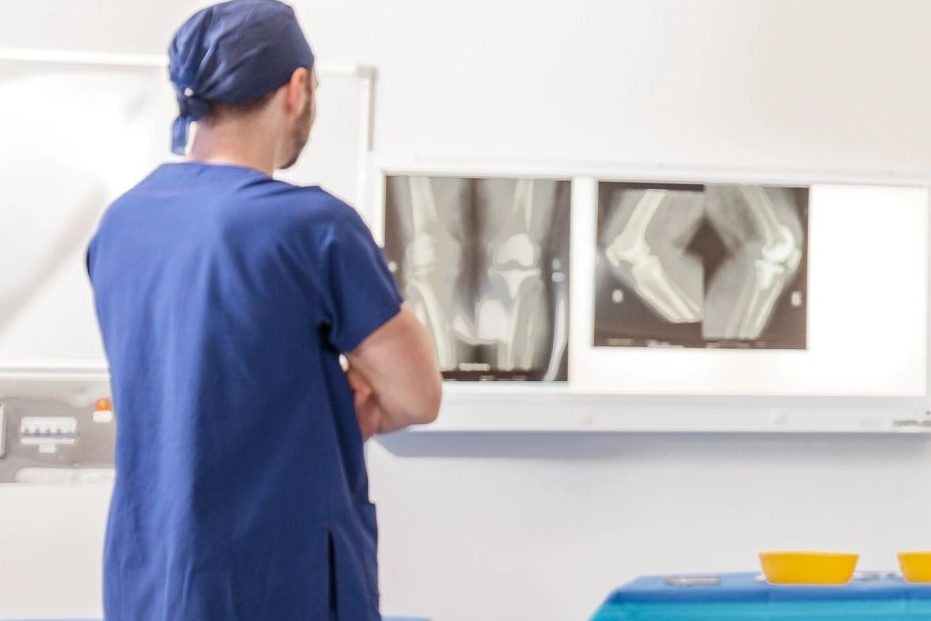
Complications are fairly common. In a review of 23 studies, complications were reported after 20% of closing-wedge and 33% of opening-wedge osteotomies, and the most common was pain from the plate and screws needing a further operation to remove them (PMID 35156408). Another review found that a crack in the outer layer of the thigh bone near the cut (lateral cortex injury) was the most commonly reported complication (PMID 41082590). In a review of 372 osteotomies, the bone was slow to heal in about 4 in 100 and did not heal (non-union) in about 3 in 100, and about one in three people had a further operation (PMID 27265250).
Other possible problems include wound infection, stiffness, blood clots and ongoing pain. In a large national database, about 1 in 5 people had a complication within 90 days of a DFO, and infection was the most common early problem; the risk was higher in people with more medical conditions (PMID 35112179). In another study of osteotomies around the knee, stiffness and wound problems were the most common early complications, and smoking increased the risk (PMID 37417330). Recovery takes many months, and some people still have pain with physical activity after the bone has healed (PMID 37278744).
If a knee replacement is needed later, it usually improves symptoms, but balancing the knee can be more difficult and complications are not uncommon (PMID 32880573; PMID 31154844).
Summary
A distal femoral osteotomy realigns the leg to take load off the worn outer side of the knee, or to help the kneecap track better, so that you can keep your own knee for longer. It is usually recommended when the expected benefits for you outweigh the risks. You should discuss your symptoms, your scans and your goals, including plans for sport and work, with your knee surgeon so that you can consider the options, such as a partial knee replacement, and the indications for surgery together.
General information only. The information on this page is general in nature and does not replace individual medical advice. All surgery carries risks, and results vary between patients. Please discuss your own circumstances with your treating practitioner.