
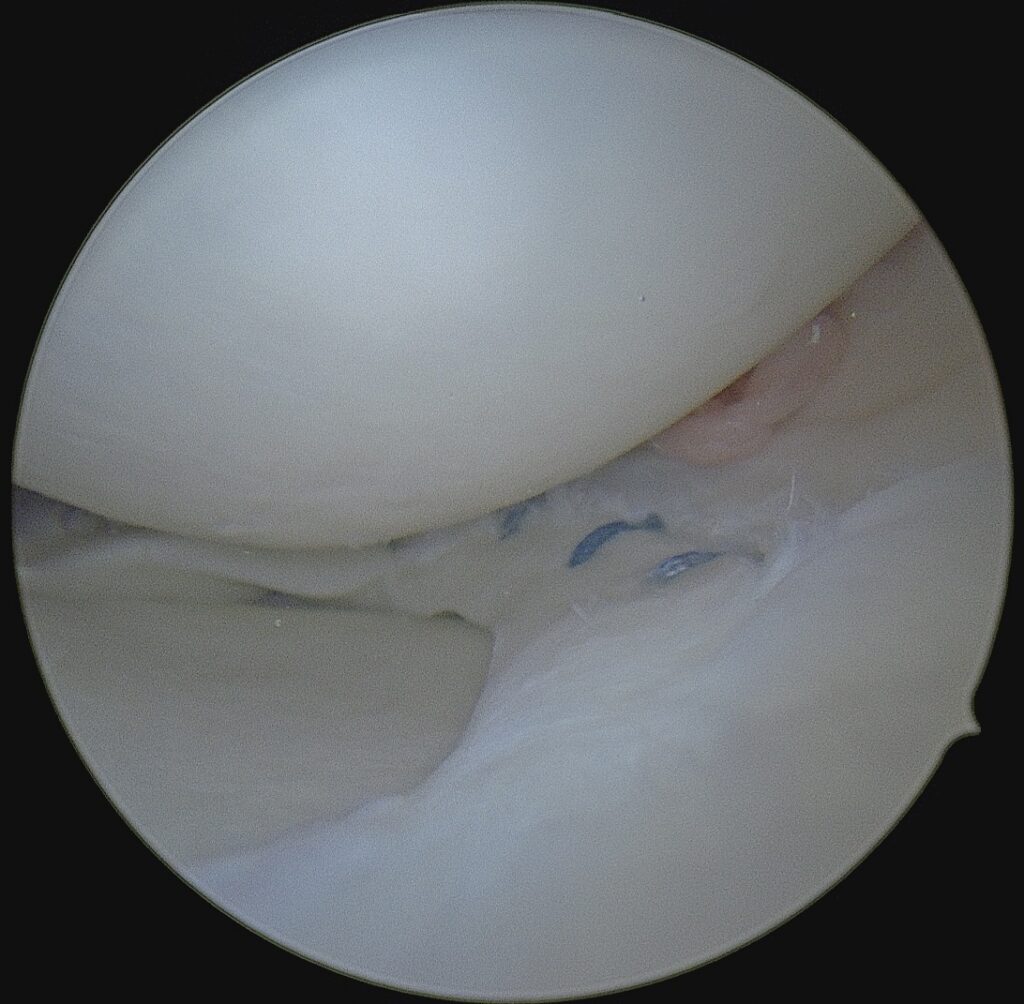
Most meniscus tears are assessed first and treated according to the tear, the knee and the person; repair, where it is possible, aims to preserve the meniscus rather than remove it.
This page provides general information for patients of Dr Borshch, an orthopaedic surgeon consulting in Hamilton, Brisbane, who are being assessed for or considering meniscus repair surgery. Not every meniscus tear needs an operation. An assessment with a Brisbane knee surgeon helps work out whether your tear is likely to settle or whether repair is worth considering.
Your individual condition and treatment plan may be different, so this information should be used alongside advice from your surgeon and treating team.
Meniscus tears: assessment and treatment options
The menisci are two crescent-shaped pads of cartilage that cushion and stabilise the knee. A tear can follow a twisting injury during sport or a fall, or develop gradually as the tissue wears with age. Pain along the joint line, swelling that comes and goes, and catching, clicking or locking of the knee are the usual symptoms, but an MRI showing a tear does not by itself mean an operation is needed. Assessment brings together how the tear happened, your symptoms, examination of the knee and the imaging, and considers the type and position of the tear and whether there is arthritis or a ligament injury alongside it.
Treatment is matched to the tear and to you. Many degenerative tears, and some smaller traumatic tears, settle with physiotherapy, activity modification and time. Where surgery is appropriate, it is done by knee arthroscopy, and the choice is between repairing the tear with sutures, which is described in detail on this page, and trimming the damaged portion (partial meniscectomy) when the tissue cannot heal. Tears that occur with an ACL injury are usually treated at the same time as the ACL reconstruction. Dr Borshch consults in Hamilton, Brisbane, and an assessment with a knee surgeon is the starting point for working out which of these options applies to your knee.
What is Meniscus Repair Surgery?

The meniscus is an important shock absorber and stabiliser inside the knee.
Each knee contains two menisci: the medial meniscus on the inside and the lateral meniscus on the outside.
These strong, flexible structures sit between the femur (thigh bone) and tibia (shin bone). They help:
- distribute forces across the knee
- absorb shock
- contribute to knee stability
- protect the articular cartilage
A meniscus can tear during a twisting or sporting injury. Tears can also develop gradually as the meniscus changes with age.
Not every meniscus tear requires surgery.
When surgery is appropriate, there are two broad options: repair the torn meniscus, or remove the damaged portion with a partial meniscectomy.
Where a tear has a reasonable opportunity to heal, I generally prefer to preserve and repair the meniscus rather than remove it.
This is important because a meta-analysis involving more than 31,000 patients found that meniscus repair was associated with lower progression to advanced knee osteoarthritis and knee replacement than meniscus resection following symptomatic meniscal tears.
Why is Meniscus Repair Surgery Done?

When is meniscus repair considered?
Symptoms of a meniscus tear can include:
- pain along the joint line
- swelling
- catching or clicking
- pain with twisting or squatting
- difficulty returning to sport
- locking of the knee
However, an MRI showing a meniscus tear does not automatically mean that surgery is required.
Some tears can be managed successfully with physiotherapy, activity modification and time.
The decision to operate considers:
- symptoms
- tear pattern
- tear location
- tissue quality
- age of the tear
- patient age and activity
- knee stability
- associated ACL injury
- cartilage and arthritis elsewhere in the knee
Meniscus repair is particularly attractive when there is a traumatic tear in otherwise useful meniscal tissue.
A recent systematic review and meta-analysis examining timing of meniscus repair found that earlier repair following injury was associated with a lower risk of repair failure in some of the analysed time intervals, although the underlying evidence was predominantly lower-level observational research.
How is Meniscus Repair Surgery Performed?
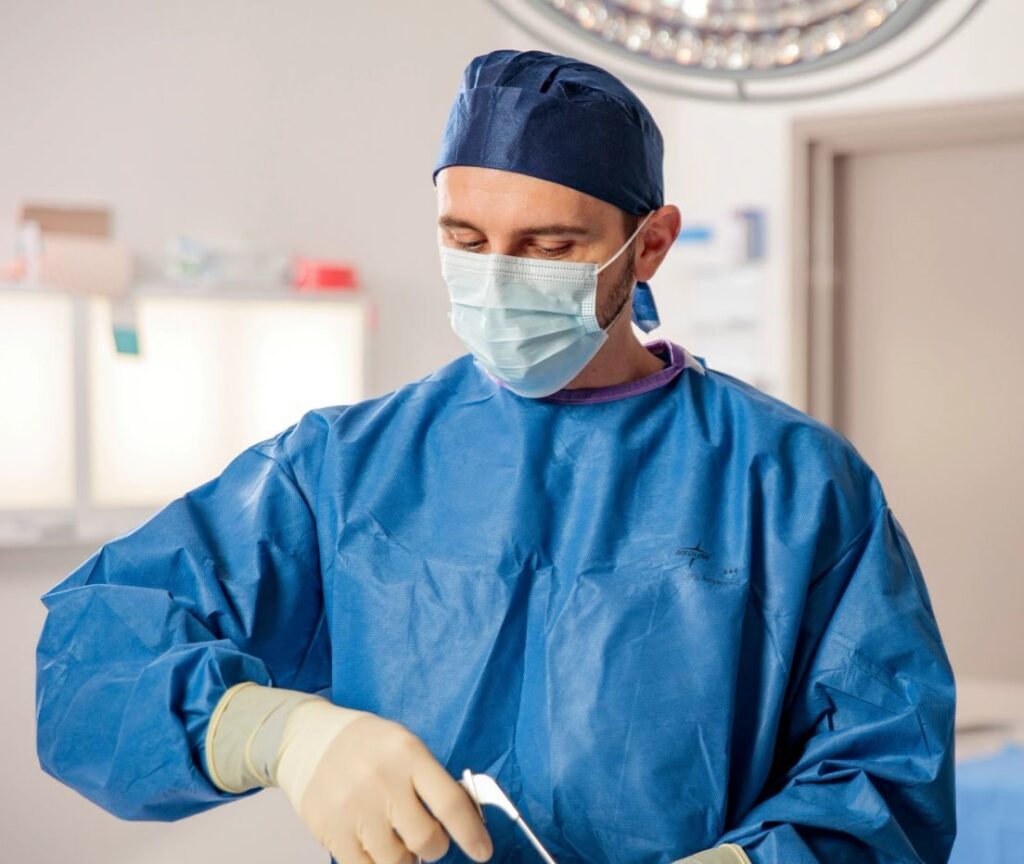
Most meniscus repairs are performed using keyhole surgery with sutures placed across the tear.
Anaesthetic
Meniscus repair is usually performed under a general anaesthetic, with additional local anaesthetic used for pain relief.
Arthroscopy
A small camera is inserted into the knee.
This allows me to assess:
- the meniscus tear
- cartilage surfaces
- ACL and other ligaments
- the remainder of the knee
The final decision about whether a meniscus can be repaired is sometimes made during arthroscopy, because the quality and stability of the actual tissue can be assessed directly.
Preparing and repairing the meniscus
When the tear is repairable, the torn edges are brought back together.
Depending on the location and pattern of the tear, different repair techniques can be used, including:
- all-inside repair devices
- inside-out sutures
- outside-in sutures
- combinations of techniques
The aim is to achieve a stable repair while preserving as much healthy meniscus as possible.
The biological environment around the tear may also be stimulated to encourage healing.
What if the meniscus cannot be repaired?
Unfortunately, not every tear can heal.
If part of the meniscus is severely damaged, fragmented or has poor tissue quality, repair may not be reliable.
In this situation, the unstable damaged portion may need to be trimmed while preserving as much healthy meniscus as reasonably possible.
Meniscus repair with ACL reconstruction
Meniscus tears commonly occur together with ACL injuries.
When both injuries require surgery, the meniscus can often be repaired during the same operation as the ACL reconstruction.
Preparing for Meniscus Repair Surgery in Brisbane
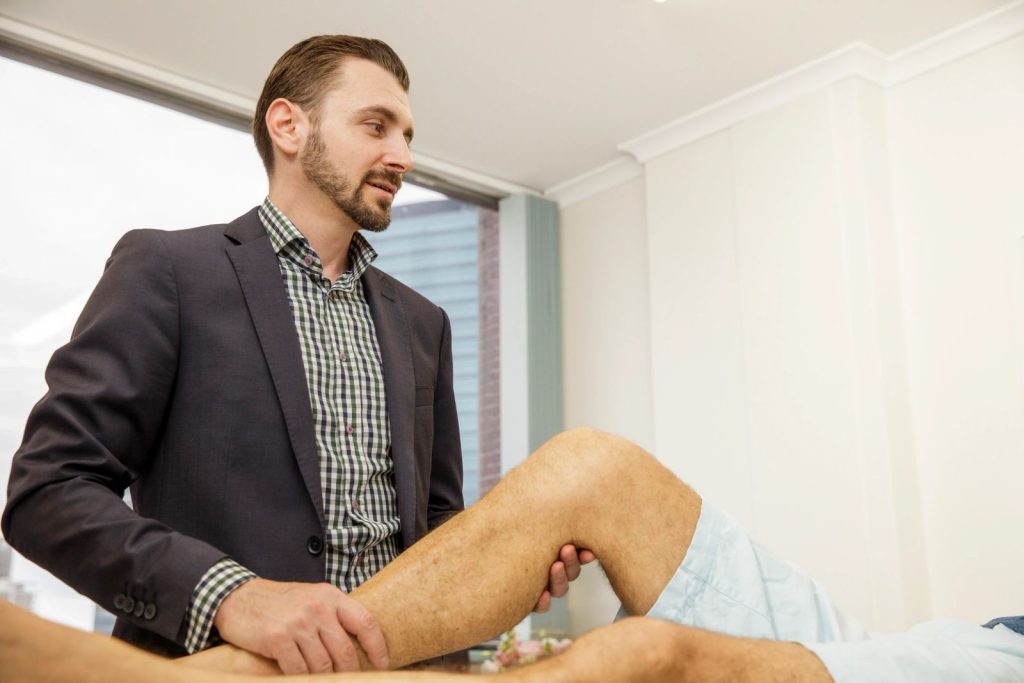
A good pre-operative knee makes early rehabilitation easier.
Where possible, preparation focuses on reducing swelling and maintaining:
- full knee extension
- good knee movement
- quadriceps strength
- normal walking
- general fitness
Before surgery:
- stop smoking or vaping if possible
- maintain good nutrition
- optimise diabetes and other medical conditions
- provide a complete list of medications and supplements
- tell us about previous blood clots or anaesthetic problems
Preparing your home
Because meniscus repair needs time to heal, you may require crutches and sometimes a brace after surgery.
Arrange transport and consider how you will manage stairs, work and everyday activities.
Because Brisbane has a warm and humid climate, particularly during summer, consider making sure you have access to a cool, comfortable and preferably air-conditioned environment during early recovery. Apart from making recovery more comfortable, a large meta-analysis found an association between warmer weather and higher rates of surgical-site infection. Keeping your surgical dressings clean and dry is therefore particularly important during Brisbane's warmer months.
What to Expect After Meniscus Repair Surgery

Rehabilitation protects the repair and restores movement, strength and activity.
Rehabilitation after meniscus repair is different from rehabilitation after simply trimming a meniscus.
The repaired tissue needs time to heal.
First 2 weeks
Early priorities usually include:
- controlling pain and swelling
- protecting the repair
- regaining appropriate knee movement
- maintaining full knee extension
- activating the quadriceps
- using crutches as instructed
Some patients can place weight through the leg relatively early, while others require restricted weight-bearing.
2–6 weeks
Your exact rehabilitation depends on the tear that was repaired.
A systematic review of rehabilitation following meniscus repair found substantial variation between protocols and reported that accelerated programs allowing early movement and weight-bearing were not associated with higher failure rates in the available studies.
However, this does not mean every meniscus repair should follow an accelerated program.
A small vertical tear can behave very differently from a large complex, radial or root tear.
I therefore tailor restrictions to the tear pattern, repair stability and associated procedures.
6 weeks–3 months
As healing progresses, rehabilitation increasingly focuses on:
- normalising walking
- restoring full movement
- quadriceps and hamstring strength
- hip and core strength
- balance and proprioception
- progressive cardiovascular exercise
3–6 months and return to sport
Running, pivoting and sport are reintroduced progressively.
A systematic review of 88 studies examining rehabilitation and return to play after isolated meniscus repair found considerable variation in protocols, with six months being the most commonly cited return-to-play time point.
Another systematic review specifically examining athletes reported return-to-sport rates of approximately 81–89% following meniscus repair, with an average return at around 5.6 months.
Return to sport should be based on healing, strength, movement, knee control and the demands of the particular sport, rather than simply reaching a particular date.
Long-Term Outcomes After Meniscus Repair
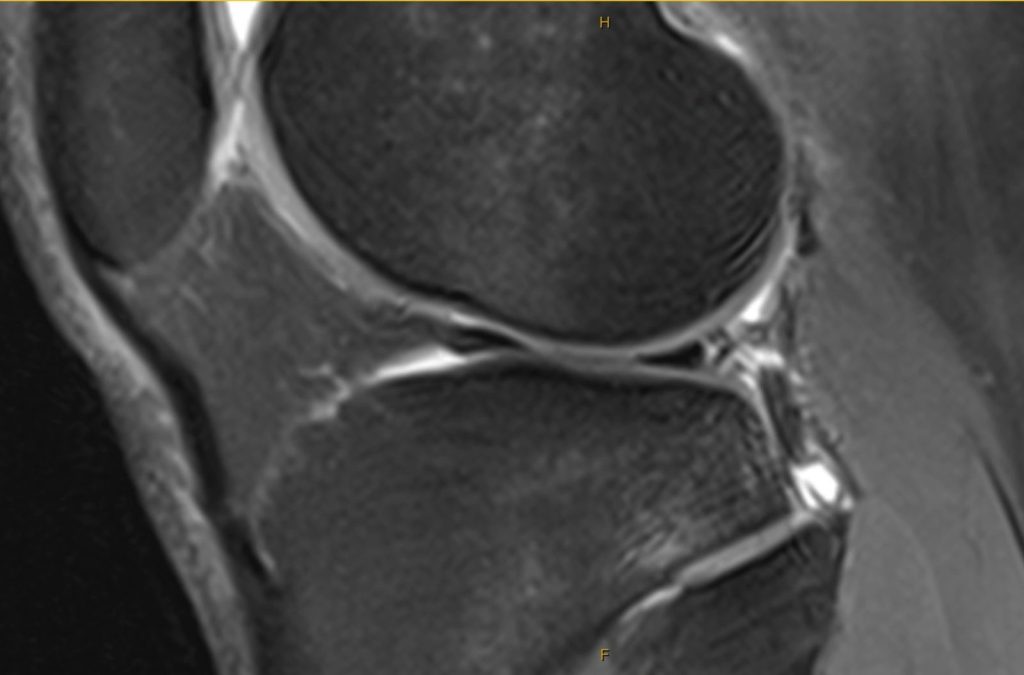
Most repairs heal successfully, but a repaired meniscus can tear again or fail to heal.
Meniscus repair involves a trade-off.
Recovery is generally slower than after removing part of the meniscus, and there is a risk that the repair will not heal.
However, a successful repair preserves meniscal tissue that plays an important role in protecting the knee.
A large meta-analysis involving 3,829 patients reported an overall meniscus repair failure rate of approximately 15% between two and five years.
Longer-term studies demonstrate that failures can also occur later. A systematic review and meta-analysis with a minimum five-year follow-up reported an overall revision rate of approximately 19%, with more than one-third of failures occurring after the second postoperative year.
These figures describe groups of patients. They cannot predict whether an individual repair will heal.
Why preserve the meniscus?
The meniscus distributes forces across the knee.
Removing meniscal tissue increases the load carried by the remaining cartilage.
The meta-analysis comparing meniscus repair with meniscectomy found lower rates of progression to advanced osteoarthritis and knee replacement following repair.
This does not mean that repairing a meniscus has been proven to prevent arthritis completely.
The original injury may also have damaged cartilage, ligaments or other structures within the knee.
The aim is to preserve useful meniscal tissue whenever there is a reasonable opportunity for it to heal.
Things to Look Out for After Meniscus Repair

Some pain and swelling are normal, but worsening symptoms should be assessed.
Contact our office, your GP or seek medical attention if you develop:
Possible infection
- increasing redness or warmth around the wounds
- worsening pain after initially improving
- persistent wound leakage or pus
- fever or feeling significantly unwell
Possible blood clot
Seek medical attention for:
- new calf pain or tenderness
- significant one-sided leg swelling
- sudden shortness of breath
- chest pain or coughing blood
Sudden breathing symptoms require emergency assessment.
Increasing stiffness
Some stiffness is expected early after surgery.
Progressive loss of movement or difficulty regaining full knee extension should be discussed with your treating team.
Recurrent locking or catching
Occasional sensations during early recovery do not necessarily mean the repair has failed.
However, recurrent mechanical locking, significant joint-line pain or repeated swelling after the knee had been improving should be assessed.
A new injury
A significant twist, fall or sporting injury can potentially damage a healing meniscus repair.
A new episode of sharp pain, swelling, locking or loss of function should be reviewed.
Procedures explained
Meniscus Repair Surgery

Dr Alexey Borshch is a specialist orthopaedic surgeon in Brisbane with a particular clinical focus on surgery of the knee, hip, ankle and lower limb.
His practice as a Brisbane knee surgeon includes the assessment and treatment of meniscus tears, ACL and PCL injuries, cartilage injuries, patellar instability and other sporting and traumatic knee conditions.
Not every meniscus tear requires surgery, and not every tear can be repaired. When surgery is appropriate, the decision between meniscus repair and partial meniscectomy depends on the tear pattern, location, tissue quality, associated injuries and individual patient.
Where there is a reasonable opportunity for healing, my preference is to repair and preserve useful meniscal tissue rather than remove it.
Dr. Borshch completed his medical degree at the University of Queensland before undertaking specialist orthopaedic training in Queensland. He completed the Australian Orthopaedic Association training program and the Royal Australasian College of Surgeons Fellowship Examination in Orthopaedic Surgery. He obtained specialist registration in Orthopaedic Surgery in 2022 and is a Fellow of the Australian Orthopaedic Association.
He consults in Hamilton, Brisbane, and performs private orthopaedic surgery at Brisbane Private Hospital.