
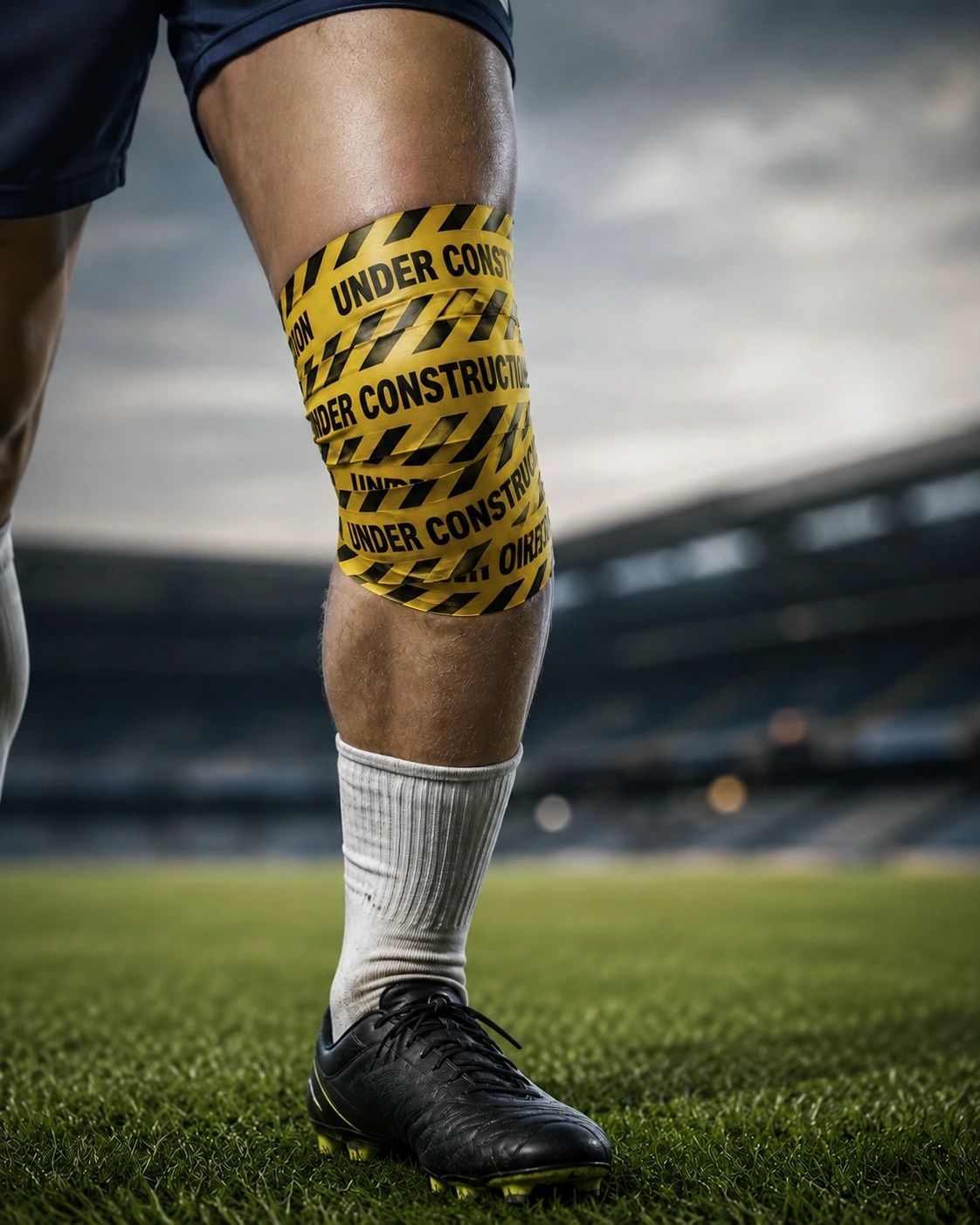
If you’ve been told you need surgery for a knee problem, you may have heard the terms knee reconstruction and knee replacement. Although they sound similar, they are very different operations designed to treat different conditions. As an Orthopaedic surgeon, one of the most common misconceptions I see is the concept of knee reconstruction and knee replacement surgery. The key to the answer depends on the underlying problem. While both procedures aim to improve pain and function, they take very different approaches.
Knee Reconstruction: Preserving Your Own Knee
The goal of knee reconstruction is to preserve your natural knee by repairing or rebuilding damaged structures. Rather than replacing the joint, reconstruction seeks to restore normal anatomy, stability and movement so the knee can continue to function as naturally as possible.
“Knee reconstruction” is not a single operation but a broad term that includes procedures such as:
- ACL and PCL reconstruction
- Multi-ligament reconstruction
- Meniscal repair
- Cartilage restoration procedures
- Osteotomy (realignment surgery)
- Patellar stabilisation procedures, such as MPFL reconstruction
These operations are most commonly performed following sports injuries, traumatic injuries or in carefully selected patients with early joint degeneration. The aim is to restore the knee’s mechanics, reduce symptoms and, where possible, preserve the joint for many years.
Importantly, reconstruction only works when there is enough healthy joint remaining to save. If the cartilage has been extensively damaged or worn away, rebuilding the supporting structures alone is unlikely to restore normal function or improve pain.
Knee Replacement: Replacing a Worn-Out Joint
A knee replacement (also known as a total knee replacement or total knee arthroplasty) is a different procedure entirely. Rather than repairing damaged tissues, the worn joint surfaces are removed and replaced with metal and high-grade plastic implants.
This operation is most commonly recommended for patients with:
- Advanced osteoarthritis
- Inflammatory arthritis
- Severe post-traumatic arthritis
- Significant pain affecting daily activities
- Joint deformity or stiffness that has not responded to non-surgical treatment
In these situations, the knee has reached a point where reconstruction is no longer able to restore function. Once the smooth articular cartilage has been lost, current medical science cannot reliably regenerate an entire joint surface (yet!). Replacing the damaged surfaces often provides the most predictable improvement in pain and mobility.
Modern knee replacement surgery has excellent long-term outcomes, with many implants continuing to function well for 15 to 20 years or longer in appropriately selected patients.
The Key Difference
The simplest way to understand the difference is to think about the surgeon’s objective.
With knee reconstruction, the question is:
“How can we preserve your own knee?”
With knee replacement, the question becomes:
“Has the joint become so damaged that preserving it is no longer realistic?”
Reconstruction restores the structures around the joint, while replacement substitutes the damaged joint surfaces themselves.
Neither operation is “better” than the other—they are simply designed for different problems.
Can Reconstruction Prevent a Knee Replacement?
This is a question many patients ask, particularly after suffering a sports injury.
In some cases, reconstructive procedures may help preserve knee function and delay the progression of arthritis. For example, restoring ligament stability or correcting abnormal alignment may reduce excessive loading within the joint. Meniscal repair, where possible, also aims to preserve the knee’s natural shock absorber.
However, reconstruction cannot undo some of the subtle damage to the joints and can't guarantee that arthritis will never develop. Research shows that factors such as the severity of the original injury, cartilage damage at the time of injury, genetics, body weight and activity level all influence the long-term health of the knee.
Some patients continue to have excellent function for decades after reconstruction, while others may eventually develop arthritis requiring a knee replacement later in life.
Which Patients Are Best Suited to Each Procedure?
Patients undergoing knee reconstruction are often younger or physically active individuals with injuries affecting ligaments, cartilage or alignment. The goal is usually to restore stability, return to sport or maintain an active lifestyle while preserving the native joint.
Patients requiring knee replacement are more commonly affected by advanced arthritis causing persistent pain, stiffness and reduced quality of life. Many have already tried physiotherapy, medications, weight management or injections before considering surgery.
Age alone does not determine which operation is appropriate. An active older patient with an isolated ligament injury may still benefit from reconstruction, while a younger patient with severe arthritis may achieve the best outcome with a knee replacement.
The decision depends on the condition of the joint rather than the date of birth.
Recovery Is Different Too
Many people assume reconstruction is the “smaller” operation, but recovery varies considerably.
Following ligament reconstruction, rehabilitation is often intensive, with several months of physiotherapy required before returning to higher-level activities. Recovery after ACL reconstruction, for example, commonly takes 9 to 12 months before unrestricted pivoting sports are considered.
After knee replacement, patients usually begin walking on the day of surgery or the following day. While most everyday activities improve over the first few months, recovery continues as swelling settles and strength returns, with improvement often continuing for up to a year.
The rehabilitation goals also differ. Reconstruction aims to restore normal knee mechanics and athletic function where appropriate, whereas replacement focuses on reducing pain and improving everyday mobility.
The Bottom Line
Although the names sound similar, knee reconstruction and knee replacement serve different purposes.
A knee reconstruction aims to preserve your natural knee by repairing or rebuilding damaged structures, restoring function wherever possible. A knee replacement is performed when arthritis or severe joint damage has progressed to the point where the knee can no longer be successfully reconstructed, replacing the damaged joint surfaces with durable artificial implants.
If you are experiencing persistent knee pain, instability or loss of function, an assessment by an experienced Orthopaedic surgeon can help determine whether your knee is best treated with reconstruction, replacement or non-surgical management.
Frequently Asked Questions
Is knee reconstruction better than knee replacement?
Neither procedure is inherently better. They treat different conditions. Reconstruction preserves a knee that can still be restored, while replacement is designed for joints that have been permanently damaged.
Can a reconstructed knee still need a knee replacement later?
Yes. Some patients develop arthritis over time despite successful reconstruction, particularly after significant injuries. Many, however, continue to function well for many years without needing further surgery.
Am I too young for a knee replacement?
Not necessarily. The decision is based on your symptoms, joint damage, overall health and goals rather than age alone.
Can arthritis be repaired with knee reconstruction?
Reconstructive procedures may help selected patients with early joint degeneration or mechanical problems, but they cannot restore advanced cartilage loss throughout the joint.
This article provides general information only and is not a substitute for individual medical advice. Every knee condition is different. If you are considering knee reconstruction or knee replacement, consult a qualified Medical practitioner to discuss the most appropriate treatment options for your individual circumstances.


